Three days is the first amount of time that lets you see Mumbai properly rather than rushing it. You get the landmarks, the working city, and a day out on the water, without spending half your holiday in traffic.
Here is how we would spend them. If you have less, we have itineraries for one day and two days.
The rule that makes it work
Mumbai was seven islands joined by landfill, so it is long and thin. Almost everything historic sits at the southern tip, most people live to the north, and crossing the city can take ninety minutes.
So each day stays in one zone. Day one is the south. Day two is the middle. Day three goes out to sea. Never zigzag.
Day 1 — South Mumbai
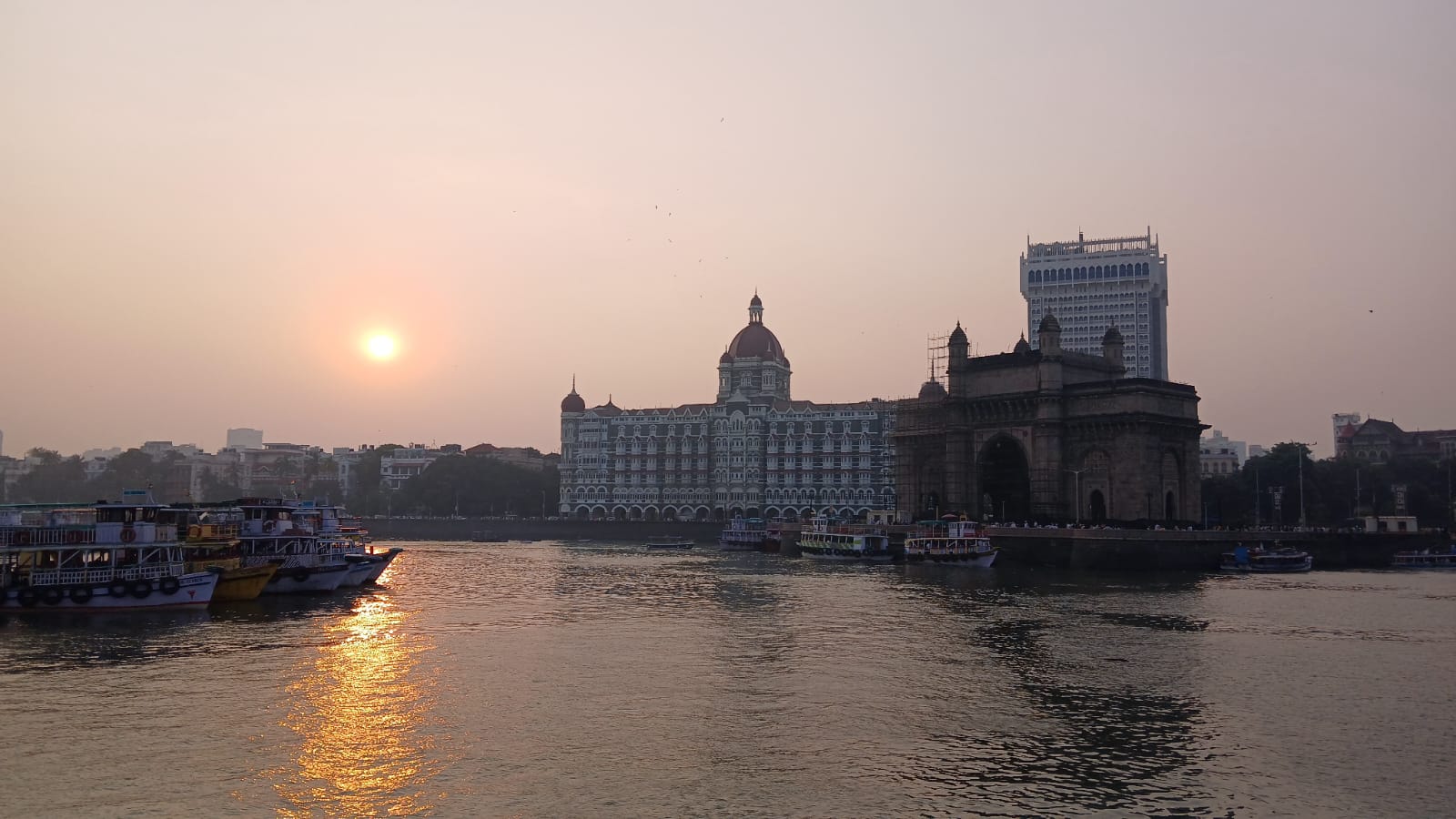
7:00am, Gateway of India. Go early, before the crowds and the touts. Completed in 1924, and the point the last British troops marched out through in 1948. The Taj Mahal Palace behind it was built in 1903 by Jamsetji Tata.
8:00am, the Fort district on foot. The Bombay High Court, the University of Mumbai and the Rajabai Clock Tower look out over the Oval Maidan, with Art Deco apartment blocks facing them from the other side. Both sets are UNESCO listed together, and the contrast is the point — more on that in our heritage buildings walk.
11:00am, Chhatrapati Shivaji Maharaj Terminus, then the museum if you want it.
Afternoon: rest. Seriously. The middle of the day is hot and nothing is improved by pushing through it.
Evening: Marine Drive at sunset as the Queen’s Necklace lights up, then chaat at Chowpatty. See things to do in Mumbai at night.
Day 2 — the working city
This is the day most visitors skip and most remember.
6:00am, Dadar flower market. Marigolds and roses sold by weight before sunrise, mostly for temples and weddings. It is over by mid-morning, so this really is an early start. Our markets guide has the detail.
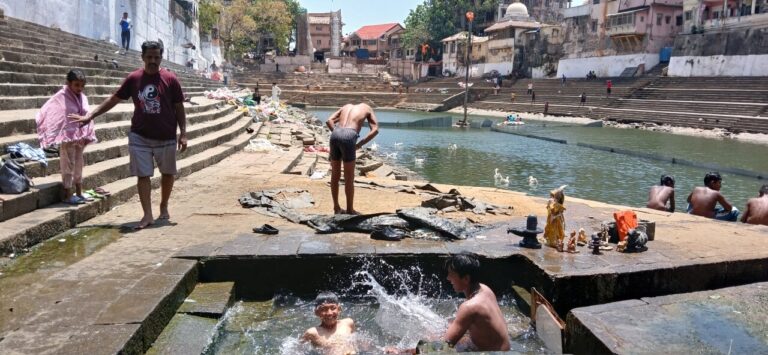
8:00am, Dhobi Ghat. The open-air laundry, in operation since 1890. Free to view from the bridge by Mahalaxmi station.
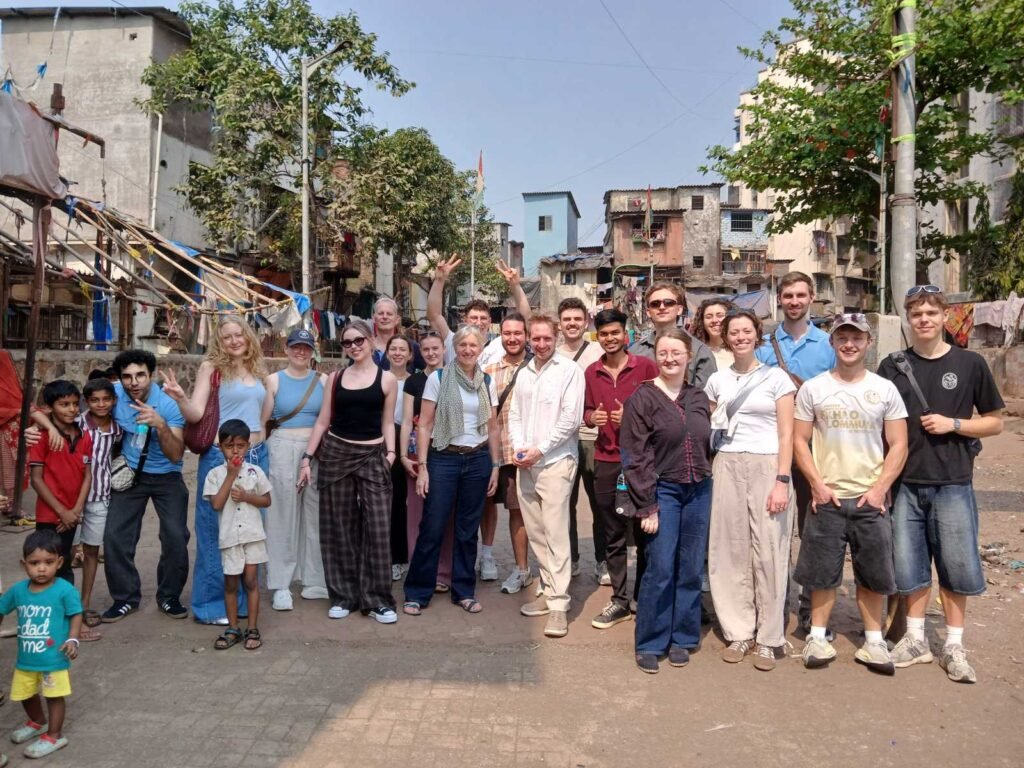
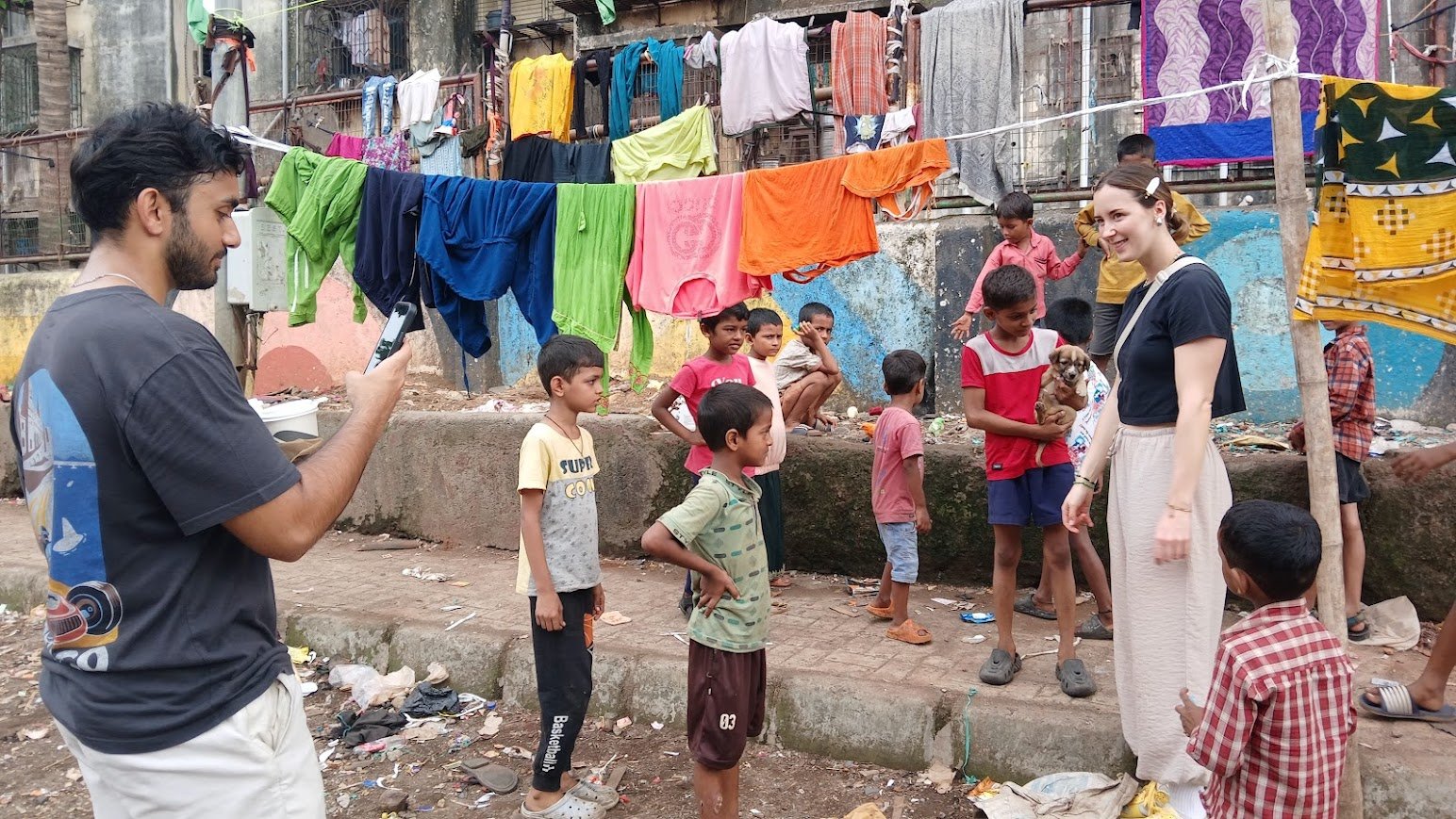
10:00am, Dharavi. Two to three hours on foot through the recycling district, the potters’ quarter at Kumbharwada, the leather and garment workshops and the residential lanes. Go with someone from there. This is our Dharavi slum tour, and it is the part guests talk about afterwards.
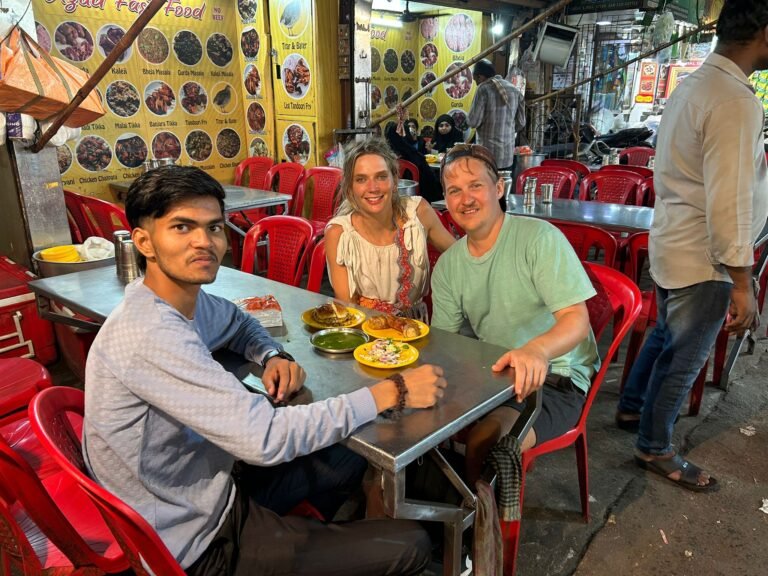
Evening: the street food tour — Chowpatty, the Bhuleshwar market lanes and the charcoal grills near Minara Masjid. Do not eat lunch first.
Day 3 — Elephanta Caves
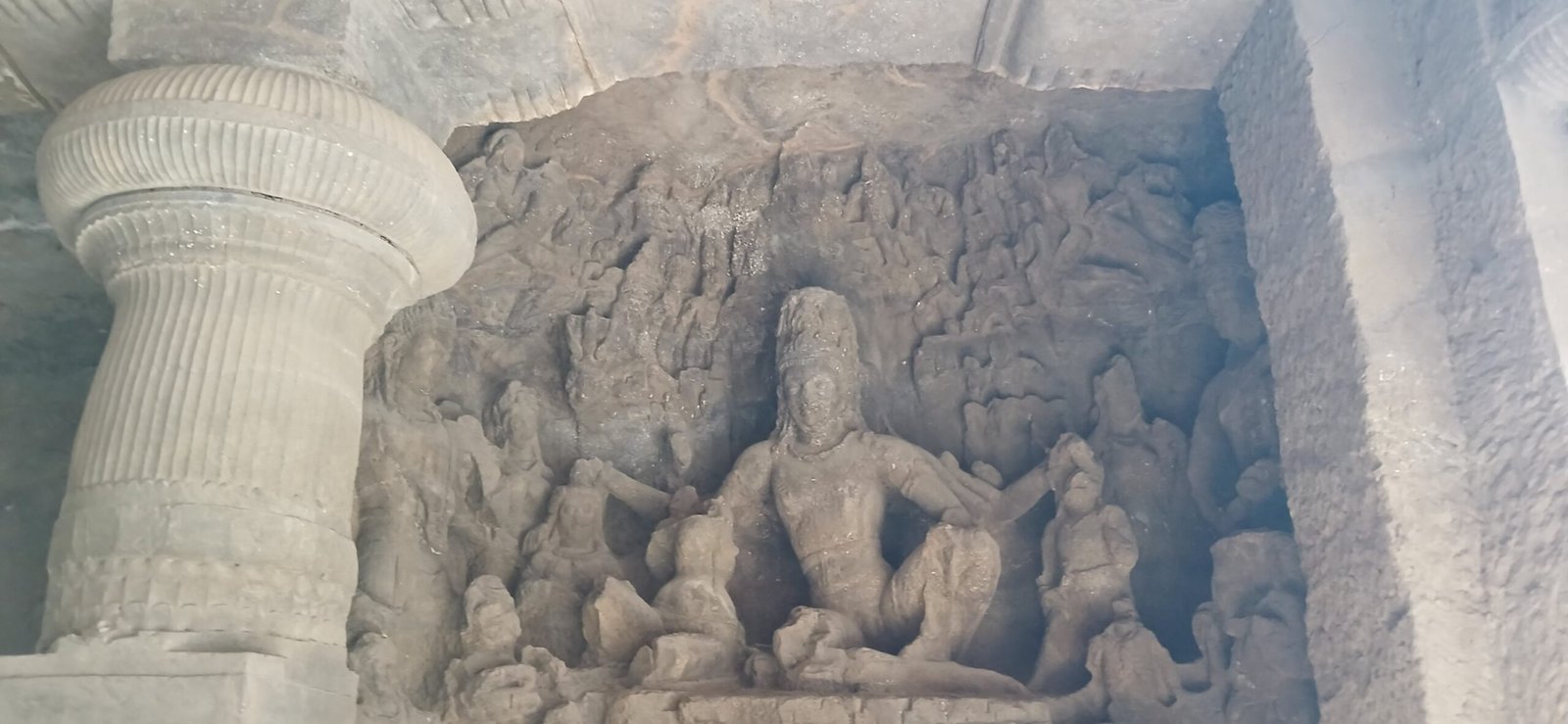
Take the 9:00am ferry from the Gateway of India. An hour across the harbour to an island of rock-cut cave temples carved between roughly the 5th and 8th centuries, UNESCO listed since 1987.
The reason to come is the Trimurti in Cave 1: a three-headed Shiva around six metres tall, cut out of the hillside rather than built into it. Photographs do not prepare you for the scale.
Two things that catch people out. Elephanta is closed on Mondays, and the ferry stops too. And there are over a hundred steps from the jetty up to the caves, which is hard work in the heat. Full detail in our Elephanta guide, and we run it as the Elephanta Caves tour with the tickets and the queue handled.
Back by late afternoon. Last boat off the island is around 5:30pm and you do not want to be casual about it.
If Elephanta is not for you
Day three swaps easily. Three honest alternatives:
Bollywood. A working film studio in the northern suburbs, with a dance workshop and a karaoke recording. Our Bollywood studio tour — best on a weekday, when things are actually shooting.
Markets and temples. Crawford Market, Mangaldas for fabric, Zaveri Bazaar for gold, with the temples that sit among them.
Bandra and the north. The sea link, the promenades at Carter Road and Bandstand, and a completely different, younger Mumbai.
Practical notes
Where to stay: Colaba or Fort for days one and three. It saves you two long drives.
Getting around: app cabs for comfort, local trains for speed. Avoid 8:30–11am and 5:30–8:30pm.
When to come: November to February is the easy window — see the best time to visit Mumbai.
Mondays: no Elephanta. Swap day three.
Pace: two things a day, properly, beats five rushed.
Doing it with us
Most guests book the pieces that are hard to do alone and keep the rest free. Day two in particular benefits from a guide: Dharavi, Dhobi Ghat and the flower market in one morning, with the street food tour in the evening.
If you want the whole thing planned around your dates, there is our multi-day Mumbai tour, with one guide throughout.
Common questions
Is 3 days enough for Mumbai? Yes. It is the first length that lets you see the city without rushing.
What should I not miss? Dharavi, Marine Drive at sunset, and either Elephanta or the markets.
Can I do Elephanta on any day? No. It is closed on Mondays, ferry included.
Where should I stay for three days? South Mumbai, around Colaba or Fort.
Do I need a guide? Not for the landmarks. For Dharavi, the dawn markets and the street food, a local guide is the difference between seeing and understanding.
First time in India? Read is Mumbai safe for tourists?