Knowing what to eat in Mumbai is the easy part. Knowing where is what separates a good food day from wandering around Colaba eating whatever is nearest.
Mumbai’s street food is not spread evenly. It clusters, and each cluster has its own history and its own speciality. Here is the map, area by area, from people who eat in all of them.
Girgaum Chowpatty — evening chaat by the sea
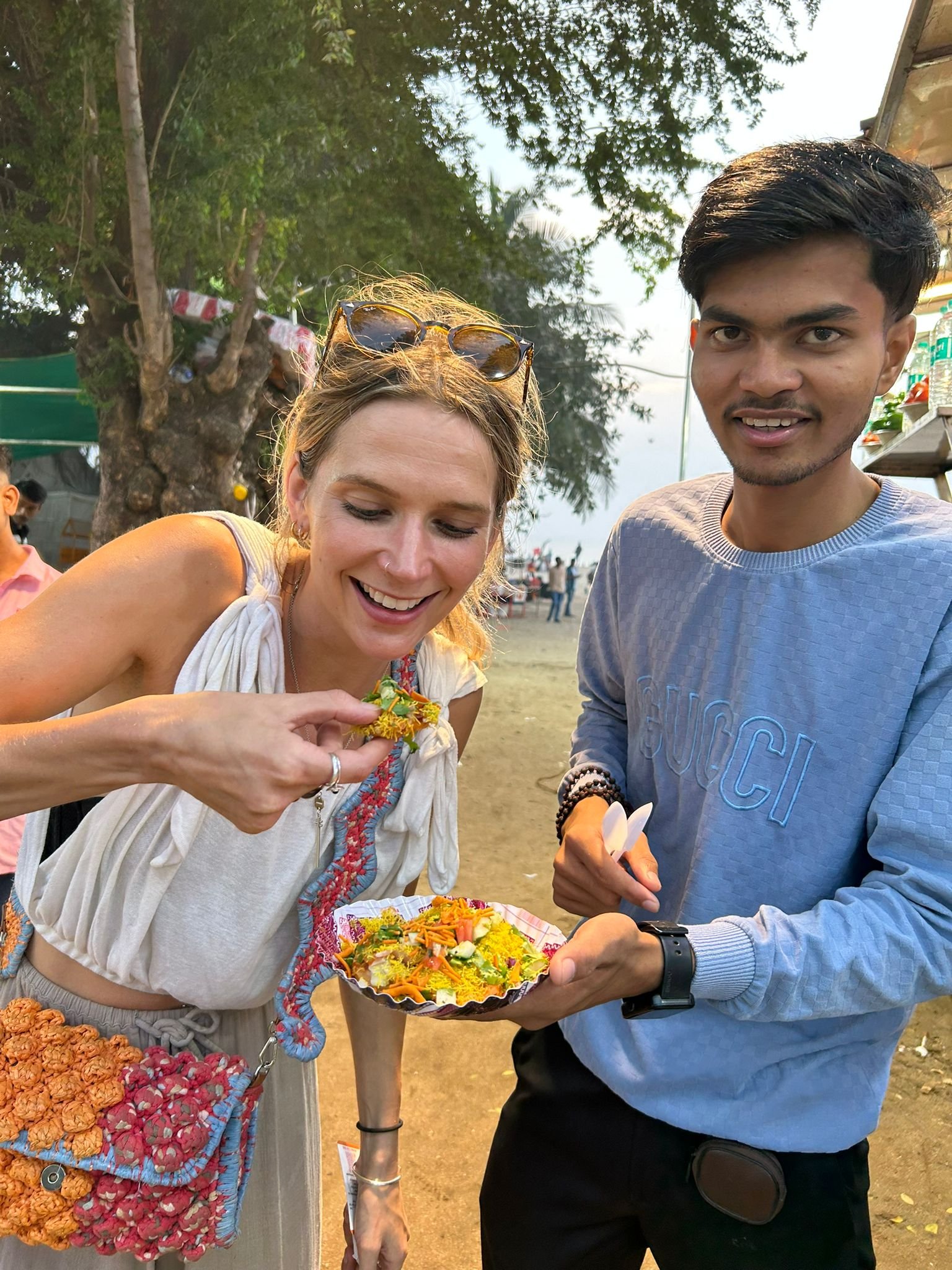
Go for: bhel puri, sev puri, pani puri, pav bhaji
When: late afternoon into the evening
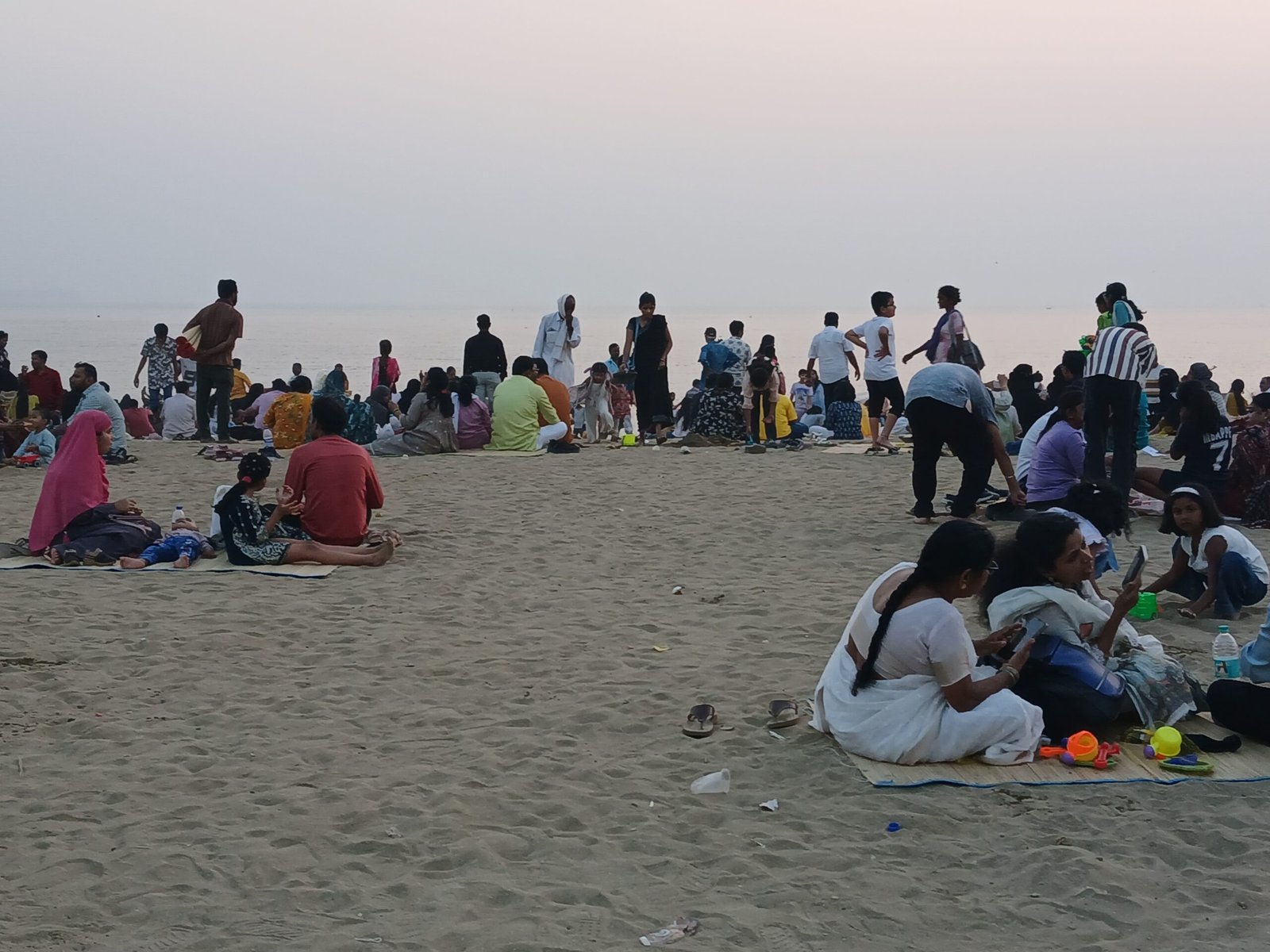
The classic Mumbai chaat experience, and rightly so. A line of stalls along the beach, families out for the evening, and the sun going down over the Arabian Sea while you work out how to get a whole pani puri into your mouth without disgracing yourself. There is no dignified method. Nobody expects you to find one.
It is entirely vegetarian here, and it is the gentlest possible introduction to Indian street food.
Bhuleshwar and the market lanes — Gujarati snacks
Go for: farsan, dhokla, fried snacks, sweets
When: daytime, when the market is working
North of Chowpatty the city changes character completely. Bhuleshwar is dense market territory, largely Gujarati and Marwari, heavily vegetarian, and full of shops that have been making the same few things for generations. This is snack food rather than meals, and it is where you understand how much of Mumbai’s food culture arrived with traders from Gujarat.
There are quiet Jain temples in the middle of all this, which is a strange and welcome thing to walk into after the noise of the lanes.
Mohammed Ali Road and Minara Masjid — the grills
Go for: baida roti, seekh kebabs, kati rolls
When: after dark
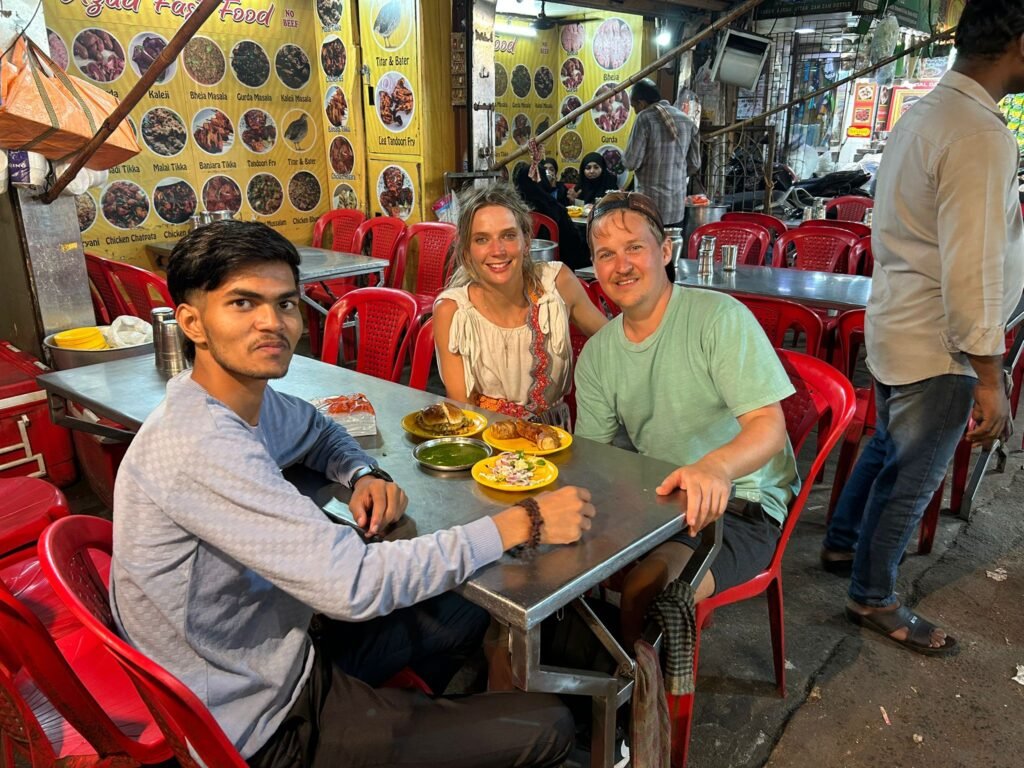
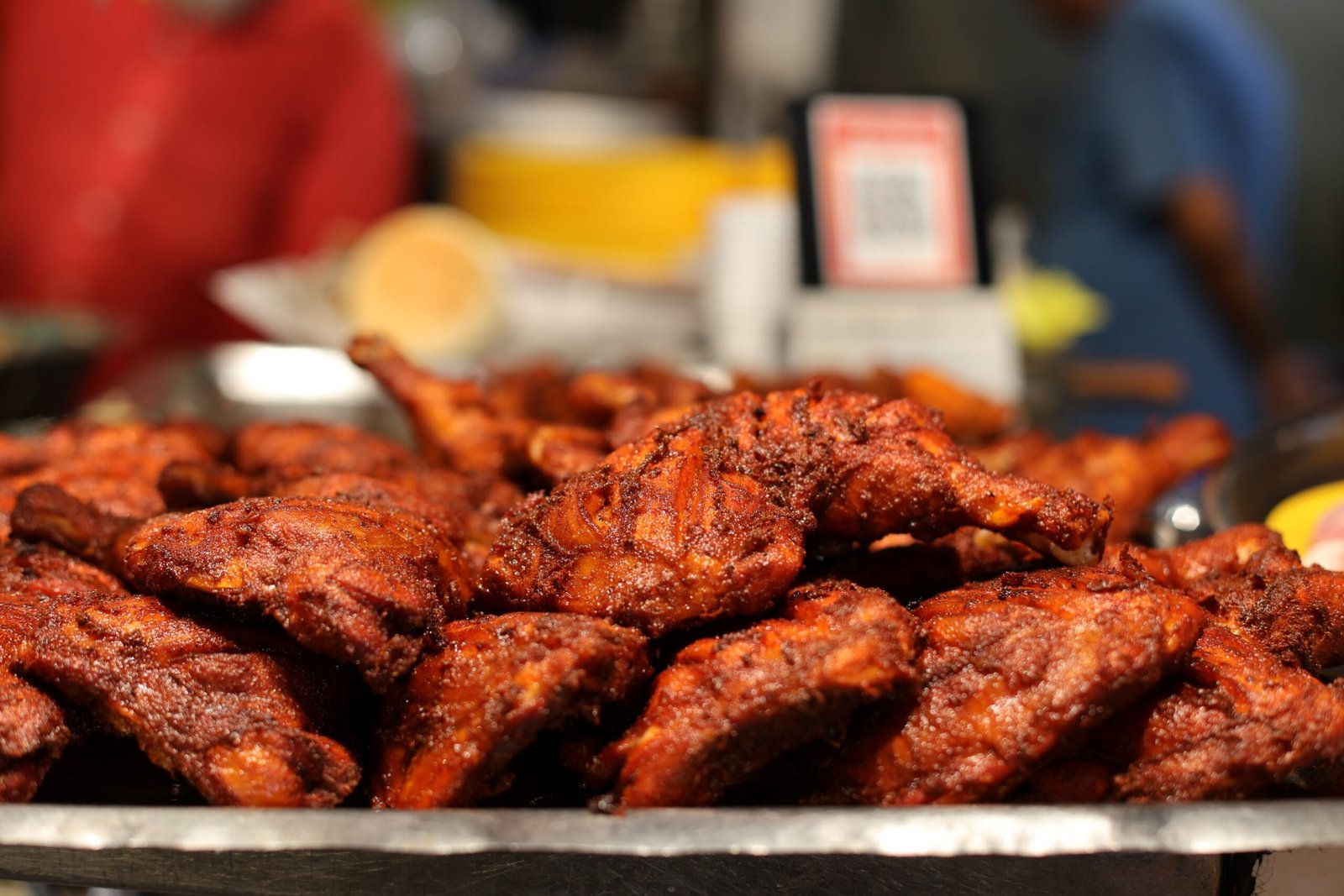
This is the other Mumbai, and for many visitors the highlight. Around the mosque the street becomes a run of charcoal grills and griddles, smoke everywhere, and food that owes more to Mughlai cooking than anything on Chowpatty. Baida roti — a thin bread wrapped around spiced mince and egg, flattened on the griddle — is the thing to order.
It is at its most extraordinary during Ramadan, when the whole street stays up eating half the night. If you are in Mumbai then, go.
Bori Mohalla — ice cream, the old way
Go for: hand-churned fruit ice cream
Tucked near the Mohammed Ali Road area is a parlour that has been making fruit ice cream by hand for well over a century. No machines, no shortcuts, seasonal fruit only. It is the correct way to finish an evening of grilled food and most people order a second one.
Fort and Churchgate — Irani cafes
Go for: bun maska, chai, keema pav
When: morning
Not street food exactly, but part of the same story. Persian immigrants opened cafes across this part of the city a century ago, with marble tables, bentwood chairs and rules on the wall about what you may not do. Many have closed. The ones left are worth an unhurried breakfast.
Juhu Beach — Chowpatty’s northern cousin
Same idea as Chowpatty, further north, popular with locals from the western suburbs. Useful if you are staying in Bandra or Andheri and do not want to travel into town, though Chowpatty has the better setting.
Khau gallis — the suburban food lanes
Ghatkopar and other suburbs have their own khau gallis, literally eating lanes, which are where Mumbaikars actually eat rather than where visitors are taken. Heavily vegetarian, inventive, and often better value than anywhere in town. Worth it if you have time and a sense of adventure.
How to eat safely, briefly
Eat where locals are queueing, because turnover means nothing sits around. Watch it cooked in front of you. Go easy on water-based items on your first day, and skip pre-cut fruit from carts. We wrote more on this in our guide to what to eat and how not to get sick.
Doing it in one evening
The areas above are spread across the city, and the honest problem is that eating your way between them alone means a lot of guessing, a lot of travel, and a decent chance of ending up somewhere mediocre.
Our Mumbai street food tour runs Chowpatty, Bhuleshwar, the grills near Minara Masjid and the ice cream at Bori Mohalla in one four hour evening, with a local train ride and shared cab in between, and up to ten dishes. The stalls are ones our own families have eaten at for years. From ₹2,500.
If you want to combine it with Dharavi in the same day, there is the Dharavi and street food tour.
One piece of advice either way: do not eat lunch first. Everyone thinks they can. Nobody can.
Common questions
Where is the best street food in Mumbai? There is no single place. Chowpatty for chaat, Mohammed Ali Road for grills, Bhuleshwar for Gujarati snacks, Bori Mohalla for ice cream.
Is Mumbai street food vegetarian friendly? Extremely. Much of the city’s street food is vegetarian by default, and Jain food without onion or garlic is widely understood.
What time is best? Evening for Chowpatty and the grills, daytime for the markets, morning for Irani cafes.
Can I do it alone? Yes, if you choose stalls carefully and do not mind travelling between areas.