Elephanta Caves is the trip most visitors to Mumbai consider and a fair number get wrong. Not because the caves disappoint, but because people underestimate the day: the ferry, the steps, the heat, and the one day of the week when the whole thing is shut.
Here is what you actually need to know before you go, from guides who make this trip most weeks.
What it is
Elephanta is a small island in Mumbai Harbour, about 10 km east of the city. On it are rock-cut cave temples carved into the hillside, dating to roughly the 5th to 8th centuries, dedicated mainly to Shiva. It has been a UNESCO World Heritage Site since 1987.
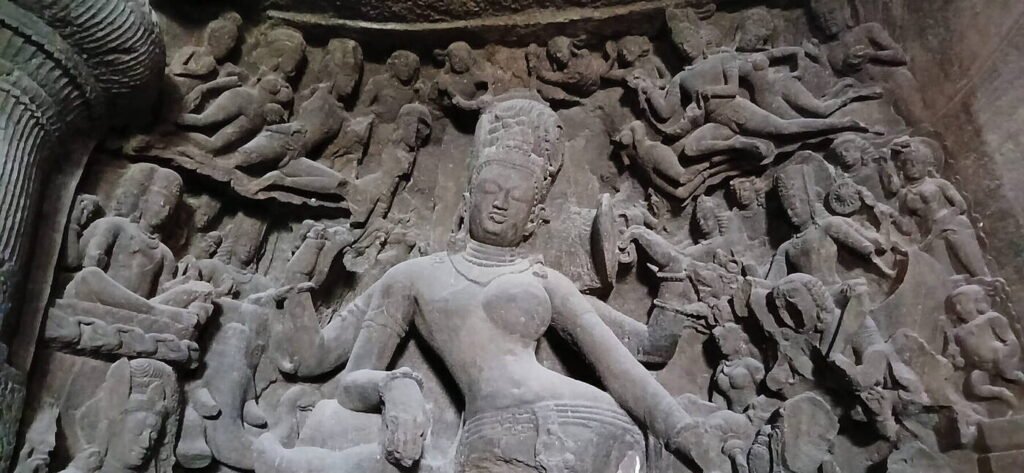
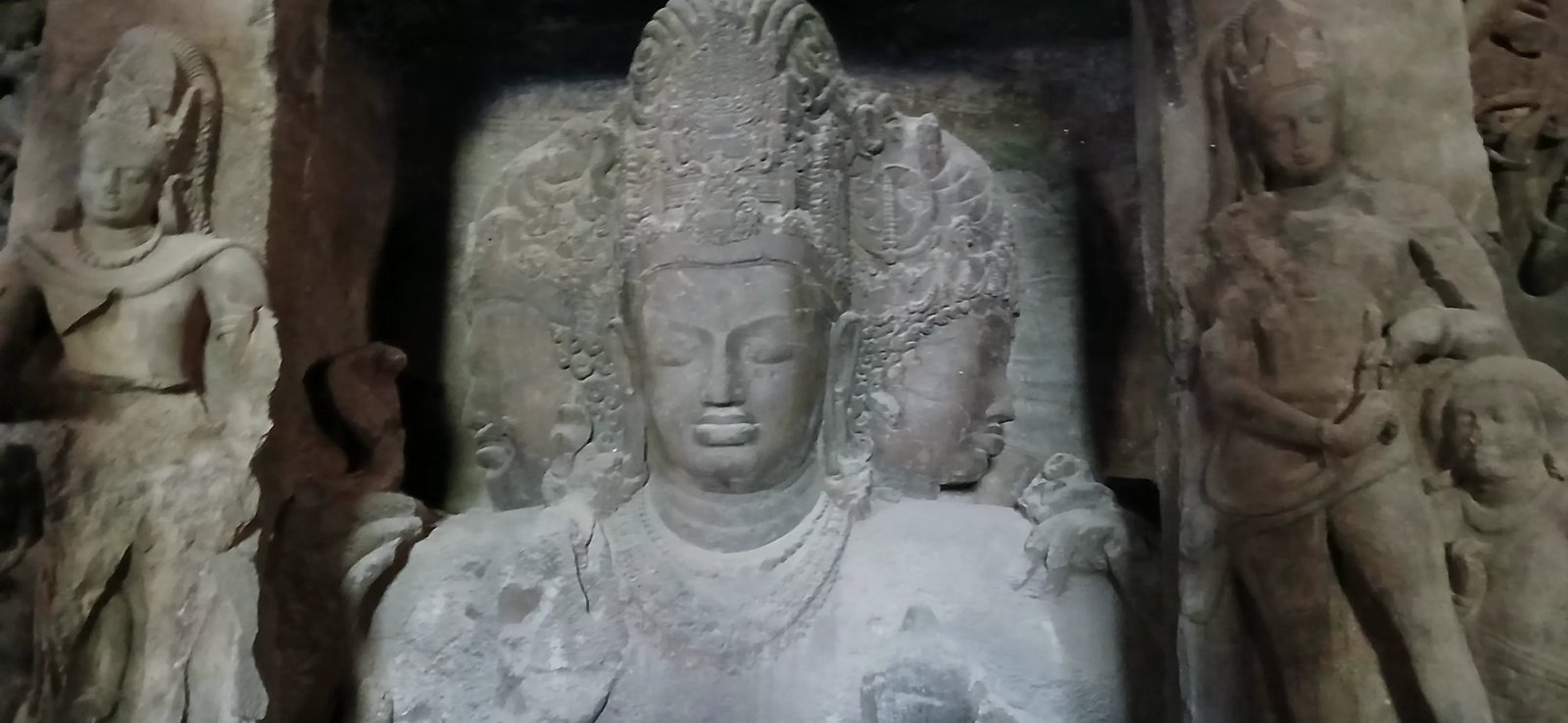
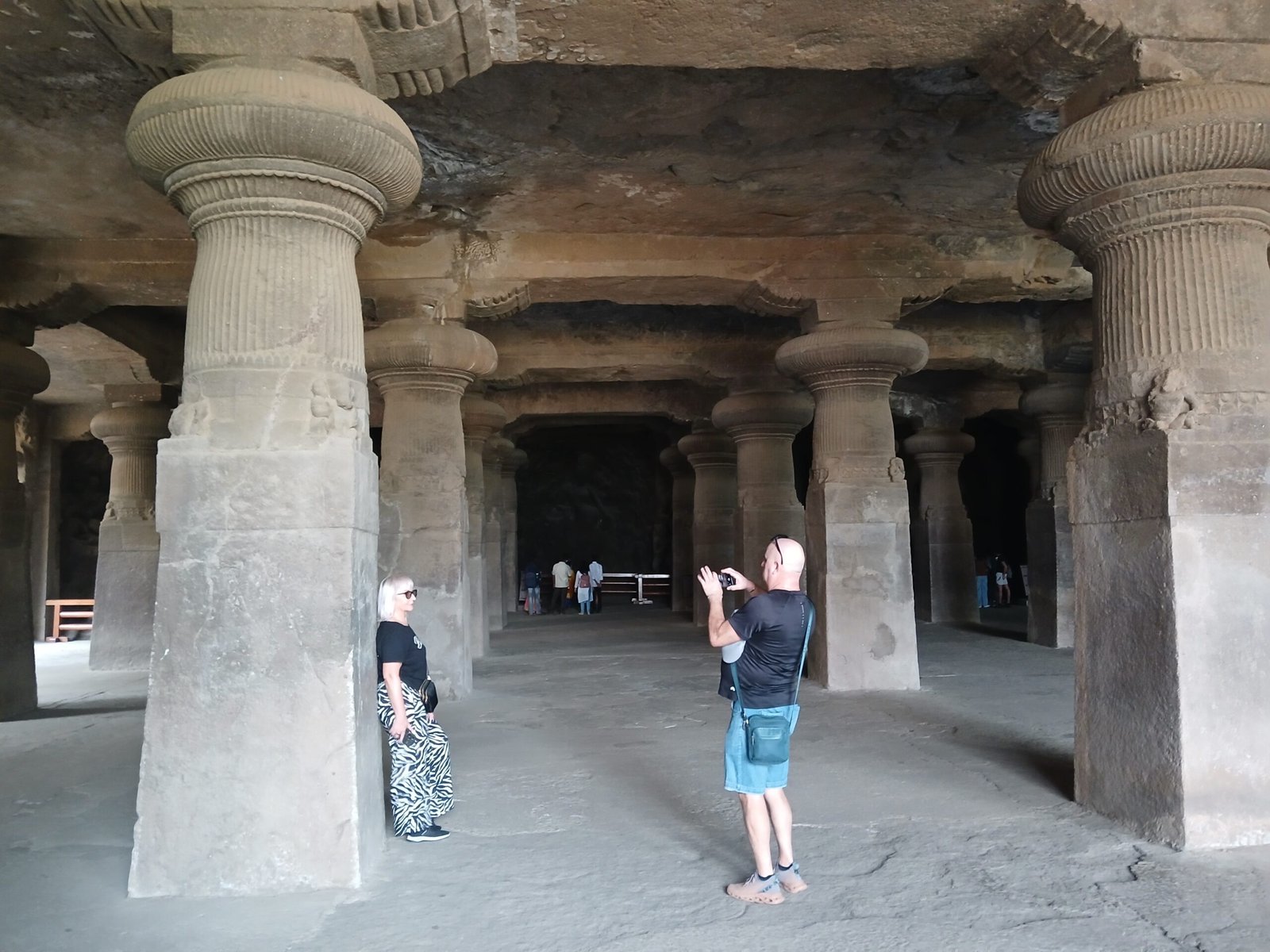
The reason to come is Cave 1, and inside it the Trimurti — a three-headed Shiva around six metres tall, carved directly out of the rock face. Photographs do not prepare you for the scale. You are not looking at something built and placed there; you are looking at what is left after everything around it was cut away.
The one thing that ruins the trip
Elephanta is closed on Mondays. Not just the caves — the ferry service stops too. Every week we hear about someone who travelled to the Gateway of India on a Monday morning and found nothing running.
If Monday is your only free day in Mumbai, do something else. There is no workaround.
Getting there
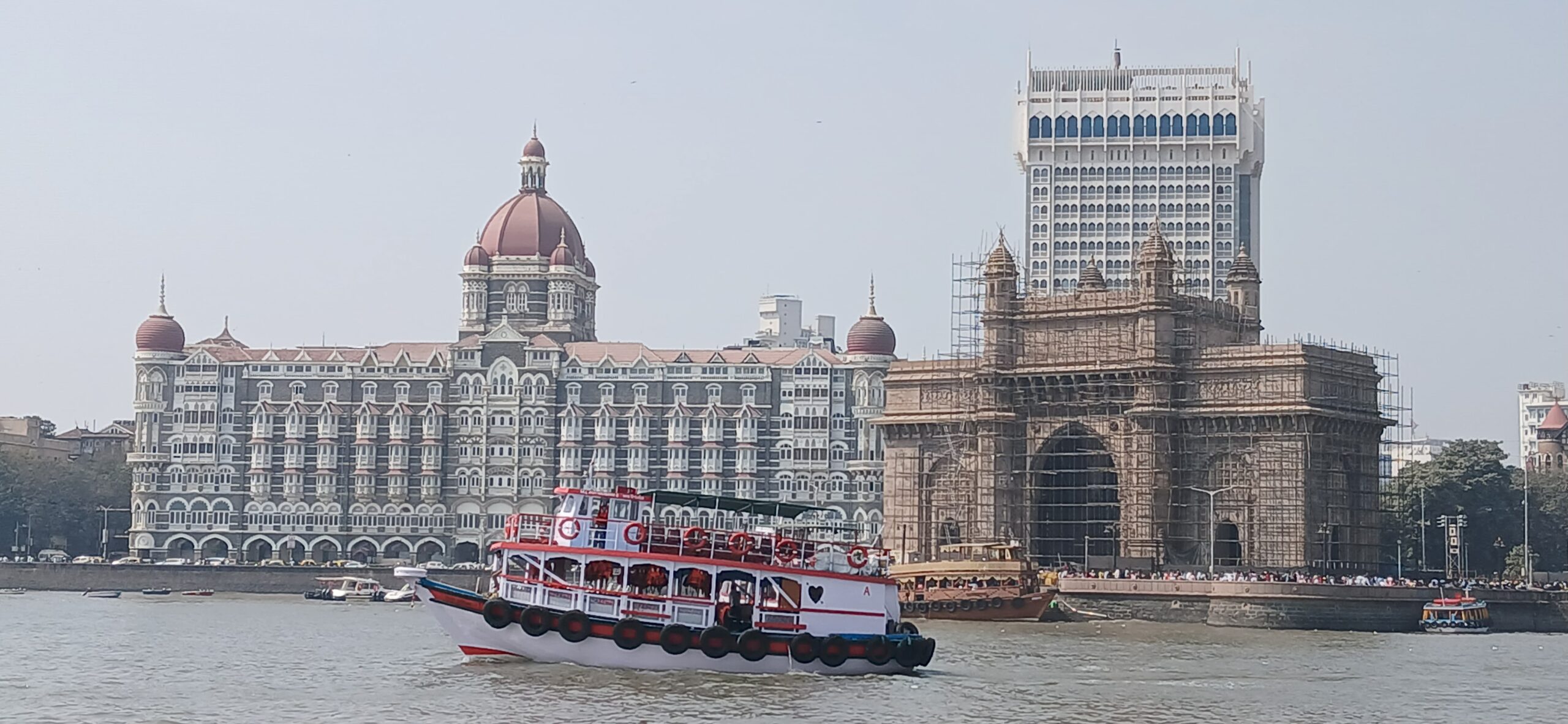
There is no bridge and no train. The only way is by boat, and almost everyone goes from the Gateway of India in Colaba. Tickets are sold at the counter by the waterfront, close to the arch, and it is first come first served — you cannot book the Gateway ferries online.
The crossing takes about an hour each way. Boats leave roughly every 30 minutes, with the first at around 9am and the last one out to the island in the early afternoon. The last boat back from Elephanta is about 5.30pm, and you do not want to be casual about that one.
There is a second, quieter ferry point at Belapur Jetty in Navi Mumbai, which does allow online booking. It is only worth it if you are already staying on that side of the harbour.
What it costs
Prices change, so treat these as a guide and check on the day:
Ferry: roughly ₹200 to ₹260 return, depending on whether you take the economy or the upper-deck boat. The ticket covers both directions.
Caves entry: around ₹40 for Indian and SAARC nationals, around ₹550 to ₹600 for other foreign visitors.
Village entry: ₹10.
Toy train from the jetty: ₹10, optional.
Photography is free. There is a small charge for video.
How long it really takes
Budget four to five hours minimum, door to door, and closer to six if you are coming from a hotel further north. An hour out, two to three hours on the island, an hour back, plus queueing.
It is a comfortable half day. It is not a quick morning, and it is not something to squeeze in before an afternoon flight.
The steps nobody mentions
From the jetty there is a walk of over 100 steps up to the cave entrance, lined with stalls selling souvenirs, cold drinks and hats. In the heat this is the part people find hardest, particularly in the middle of the day.
Palanquins are available at the bottom for anyone who cannot manage the climb. If you have knee trouble or are travelling with someone elderly, factor this in honestly before you book. There is also the toy train from the jetty to the base of the steps, though the steps themselves you still have to do.
The monsoon problem
Between June and September the harbour gets rough and ferry services are delayed or cancelled, sometimes without notice. High tides in July in particular make the crossing unsafe.
If you are in Mumbai during the monsoon and set on Elephanta, keep the day flexible and have a backup plan. We will tell you straight if the conditions on your date make it a bad idea.
When to go
October to March is the comfortable window, and within any day, go early. The first ferry at 9am means fewer people on the boat, a shorter queue, and the climb done before the worst of the heat. By midday the island is hot and the caves are busy.
Avoid weekends and Indian public holidays if you can. The ticket queue alone can take a long time.
What to bring
Water, more than you think. Closed comfortable shoes for the steps and the uneven cave floors. A hat or umbrella, since there is little shade between the jetty and the caves. Cash for the small charges. And keep an eye on your snacks — the island has a well-established population of monkeys with no manners.
Is it worth it?
If you have four or five hours and any interest in history or sculpture, yes. The Trimurti alone justifies the trip, and the harbour crossing with the city receding behind you is a good hour in itself.
If you have one day in Mumbai and want to see the city, we would honestly point you elsewhere — Elephanta will eat most of your day and you will see very little of Mumbai itself. And if it is Monday, or a rough monsoon week, it is not happening at all.
Going with a guide
The caves carry almost no signage. Without someone explaining what you are looking at, the panels are impressive but hard to read — you miss what is happening in each scene and why the Trimurti is placed where it is.
Our Elephanta Caves tour handles the pickup, the ferry tickets and the queue, and puts a guide with you who knows the sculptures. If you would rather combine it with the rest of the city in one day, there is the Elephanta Caves and Mumbai full day tour, and if you decide against the island altogether, our Mumbai sightseeing tour covers the mainland properly.
Common questions
Are Elephanta Caves open on Monday? No. Both the caves and the ferry are closed.
Can I book the ferry online? Not from the Gateway of India — it is first come first served at the counter. Belapur Jetty in Navi Mumbai does allow online booking.
How long is the ferry? About an hour each way, with boats roughly every 30 minutes.
How many steps are there? Over a hundred from the jetty to the cave entrance. Palanquins are available if you cannot manage them.
Can I visit during the monsoon? Sometimes. Services are cancelled or delayed in rough weather between June and September, often at short notice.
What is the last ferry back? Around 5.30pm from the island. Do not cut it fine.