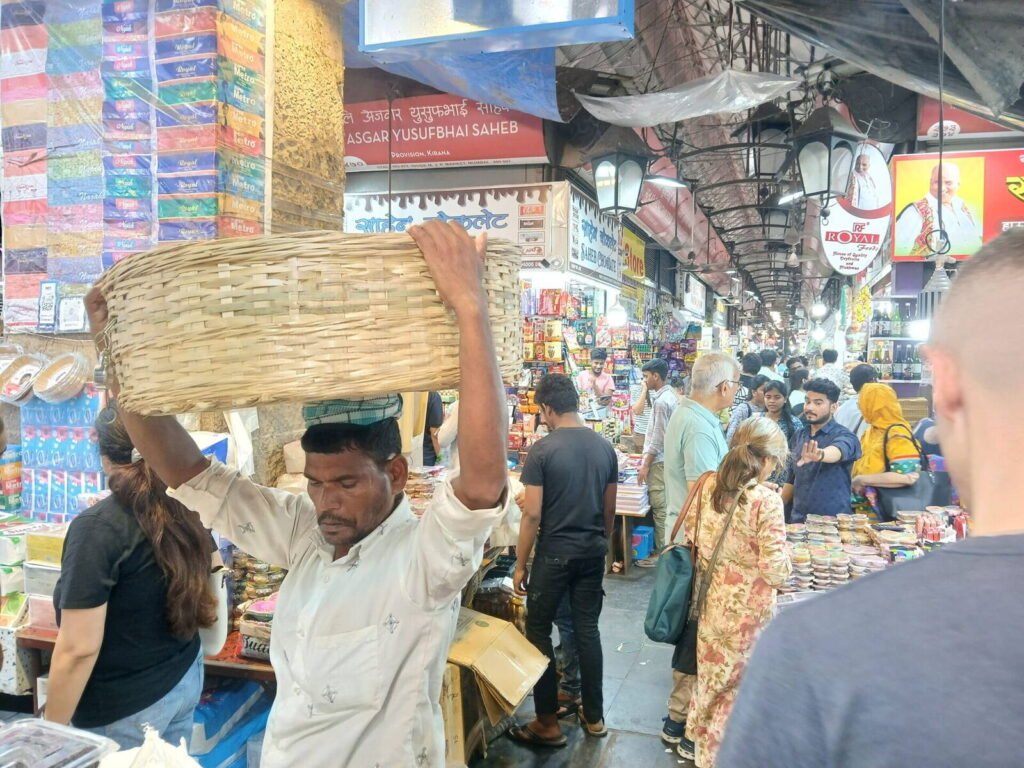
Mumbai is a city of markets. Not shopping centres with markets in them, but whole districts where one lane sells only gold, the next only fabric, and the one after that only spices, and where the buying has worked that way for over a century.
Here is where to go, what each one is for, and when.
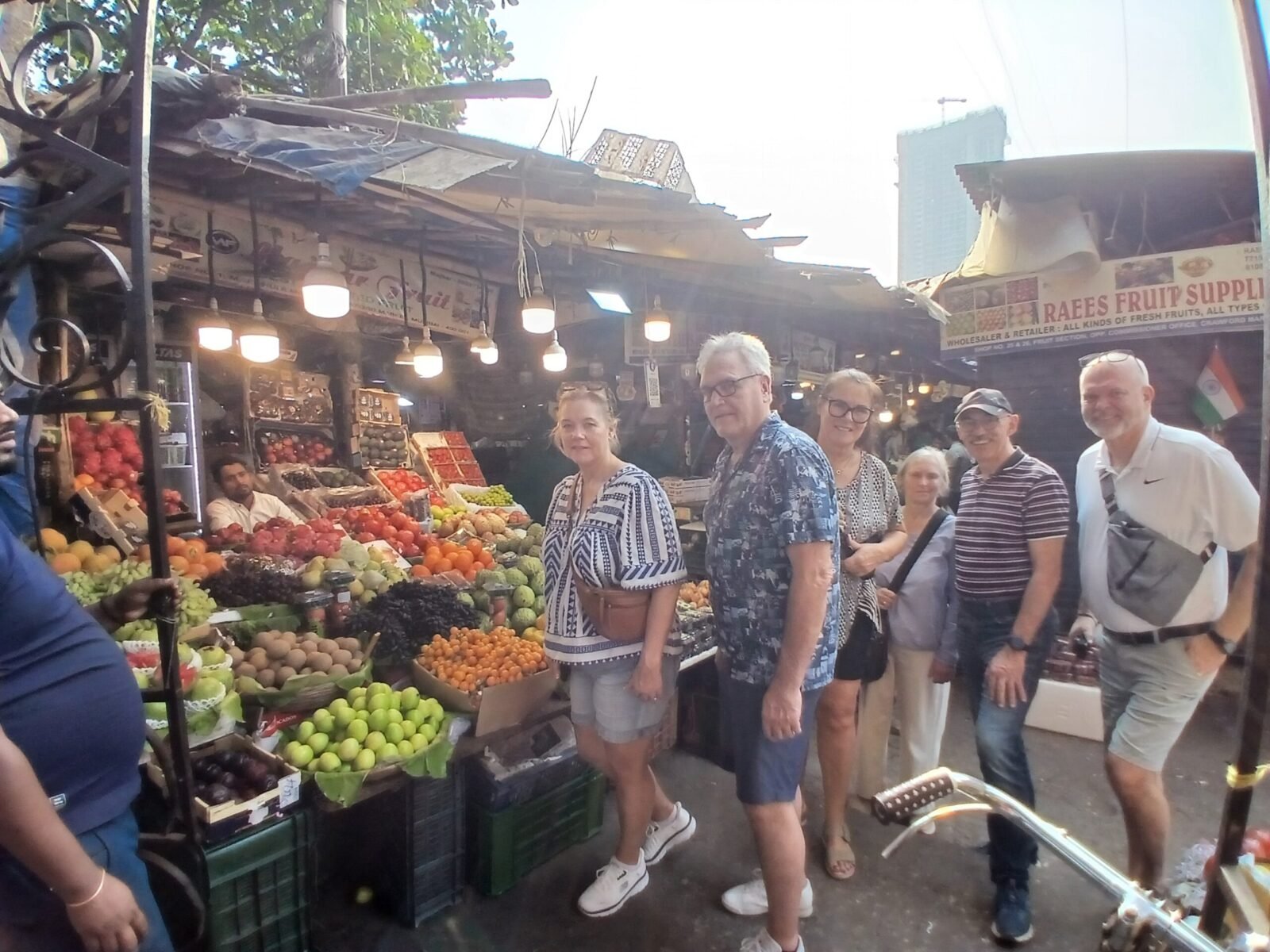
Crawford Market — the grand one
Officially Mahatma Jyotiba Phule Mandai, but almost nobody calls it that. Built in 1869 and named after Arthur Crawford, the first Municipal Commissioner of Bombay, it is a working wholesale market in a Gothic Revival building, and hotels and restaurants still buy their produce here.
Two details most visitors walk straight past. It was designed by William Emerson in a mix of Norman and Flemish styles. And the stone friezes over the entrance, showing farm workers, were carved by Lockwood Kipling — Rudyard Kipling’s father.
Inside: fruit, vegetables, spices, dry fruit, imported goods, household things. Most shops open around 11am and close by 8pm, and Sunday is closed or very limited.
Chor Bazaar — antiques and the name problem
On and around Mutton Street, Chor Bazaar is the city’s famous flea market: antique furniture, old clocks, cameras, gramophones, film posters, brass, coins, car parts and a great deal that is not quite as old as claimed.
The name translates as “thieves’ market”, and the usual story is that it was originally Shor Bazaar, meaning noisy, and the pronunciation drifted. Whichever you believe, the reputation stuck.
Most shops close on Fridays, so check before making the trip. Bargaining is expected and you should not take the first price seriously.
Zaveri Bazaar — gold
Just north of Crawford Market at Bhuleshwar, Zaveri Bazaar is hundreds of jewellery shops packed into narrow lanes, and one of the biggest gold and gems trading hubs in India. Even if you are not buying, the sheer concentration is worth seeing: shop after shop of gold, with security on every door.
Generally closed on Sundays.
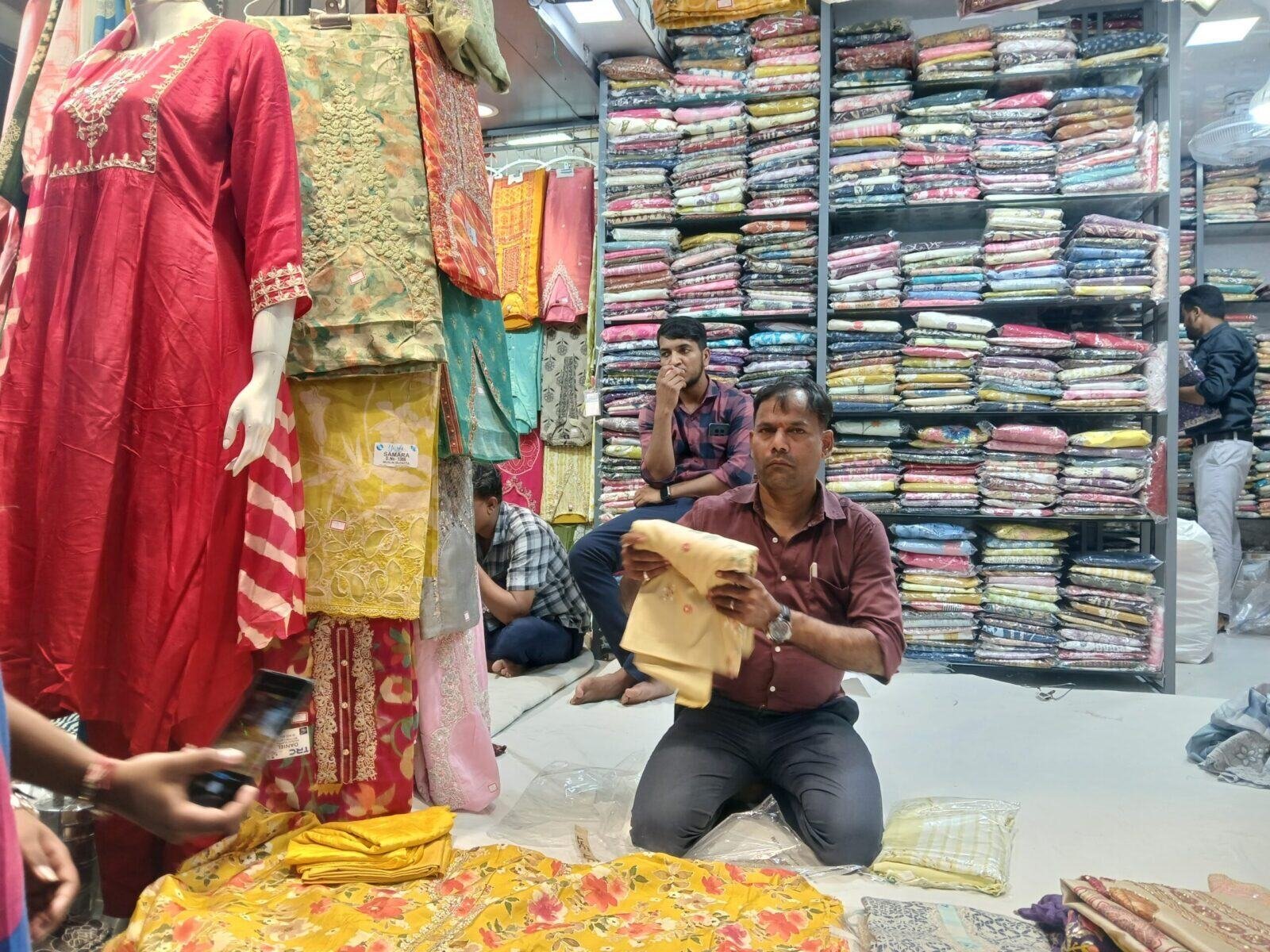
Mangaldas Market — fabric
A covered maze of textile shops near Crawford Market, selling saree material, cotton, silk and dress fabric by the metre. This is where people actually buy cloth to have clothes made, and tailors are nearby. If you want fabric rather than ready-made clothes, come here rather than Colaba.
Dadar Flower Market — go at dawn
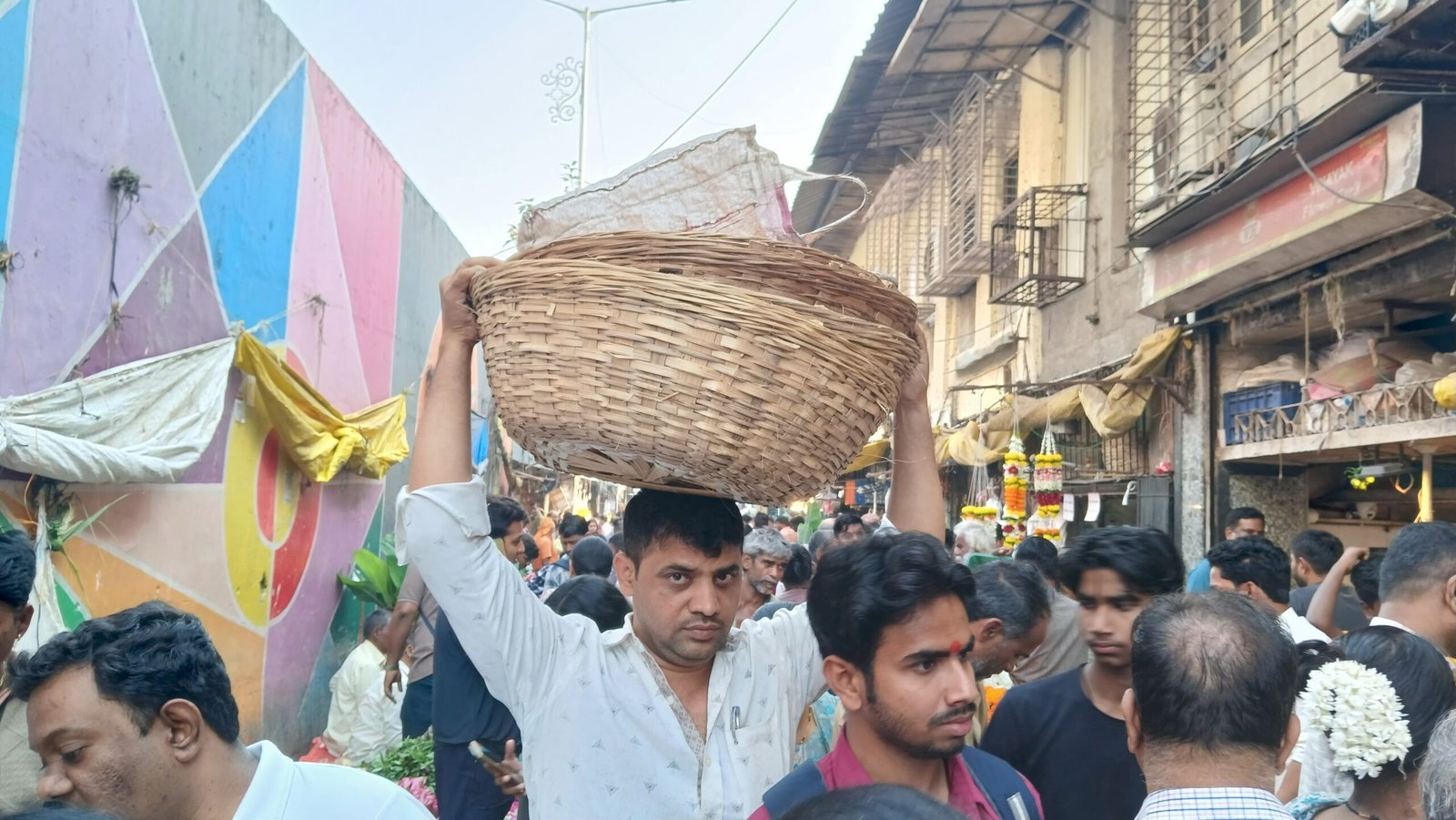
The best market in Mumbai, and the one with the shortest window. It runs in the early hours, roughly from before sunrise until around 8 or 9am, and by mid-morning it is largely over.
Marigolds, roses, jasmine and tuberose arrive overnight and are sold by weight in enormous quantities, mostly for temples and weddings. The colour and the smell at 6am are extraordinary, and it is one of the few places in the city where you are clearly watching work rather than shopping.
Set an alarm. It is worth it.
Sassoon Dock — the fish auction
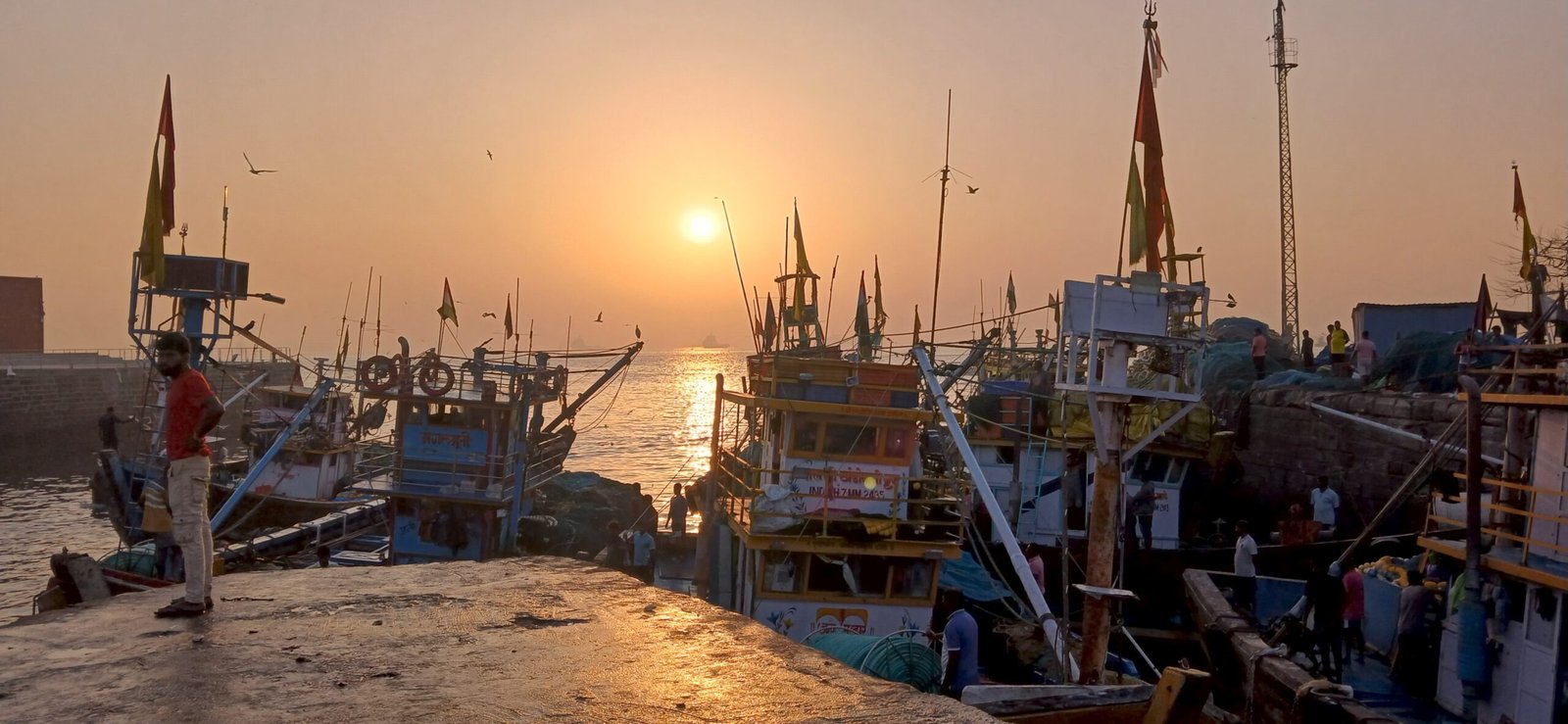
Also at dawn, and not for everyone. Boats come in overnight and the catch is auctioned on the dock in the early morning, loudly, by the Koli fishing community who were here long before the city. It smells exactly as you would expect. It is also one of the most alive places in Mumbai before 7am.
Colaba Causeway — the tourist one
Street stalls along the Causeway in Colaba selling clothes, jewellery, bags, souvenirs and knock-offs. It is aimed at visitors, prices start high, and bargaining is part of the transaction. Pleasant in the evening, and convenient if you are staying nearby, but it is not where locals shop.
How to bargain without being annoying
In the tourist markets, expect the opening price to be well above what the thing sells for. Counter lower than you intend to pay, settle somewhere in between, and keep it friendly. Walking away genuinely works, but only if you mean it.
In the wholesale markets — Crawford, Mangaldas, Dadar — prices are much closer to fixed because these are trade businesses, not tourist stalls. Haggling hard there is misreading the room.
Practical notes
Timing: flower market and fish dock at dawn; Crawford, Mangaldas and Zaveri late morning to evening; Chor Bazaar mid-morning onwards, closed most Fridays.
Getting around: most of these are within a few kilometres of each other in south and central Mumbai, and the local trains are faster than taxis between Dadar and the Fort area.
Cash: carry some. Many stalls do not take cards.
Bags: wear yours in front in crowded lanes.
Season: markets are hot work in the summer months — see the best time to visit Mumbai.
Seeing them with us
Our Mumbai market and temple tour walks the central markets with a local guide, including the flower market, the spice and produce lanes and a cow shelter, woven together with the temples that sit among them.
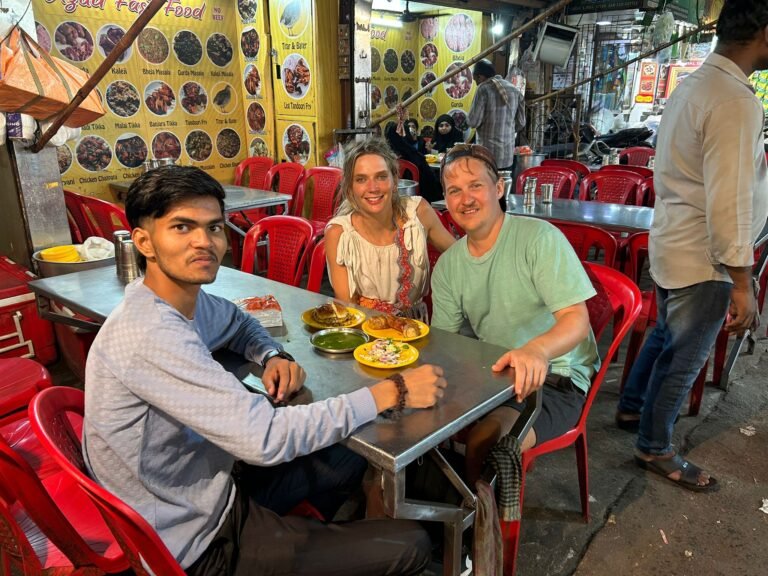
If you want the dawn markets specifically, the dawn tour covers the flower market and the Sassoon Dock auction before the city wakes up. And if you would rather eat your way through the market lanes, our street food tour goes through Bhuleshwar, with more detail in our guide to where to eat street food in Mumbai.
Common questions
What is the most famous market in Mumbai? Crawford Market, built in 1869 and still a working wholesale market.
When is the Dadar flower market open? Very early, roughly before sunrise until mid-morning. Go by 6am.
Is Chor Bazaar open on Fridays? Most shops close on Fridays. Check before travelling.
Can you bargain in Mumbai markets? In tourist markets like Colaba Causeway, yes, and it is expected. In wholesale markets prices are closer to fixed.
Which market is best for fabric? Mangaldas Market, near Crawford Market.
The market lanes and Dharavi sit close together. See our Dharavi slum tour.
To see the markets alongside Dharavi, there is our Dharavi and Mumbai city tour.
For the landmarks as well as the bazaars, see our Mumbai sightseeing tour.