For most of the world, the picture of Dharavi comes from one film. People arrive here having seen it, expecting what they saw, and the gap between the two is the thing we spend a lot of our time explaining.
So here is an honest account: what Slumdog Millionaire got right, what it got wrong, and why we do not sell a tour named after it.
The film, briefly
Slumdog Millionaire was released in 2008, directed by Danny Boyle with Loveleen Tandan as co-director, and adapted from Q&A, a novel by the Indian writer Vikas Swarup. It follows Jamal, a young man from the Mumbai slums, who gets onto the Indian version of Who Wants to Be a Millionaire and is accused of cheating because he keeps answering correctly.
It won eight Academy Awards, including Best Picture, and took around $378 million worldwide. For an enormous number of people it remains the only film they have seen set in India.
Where it was actually filmed
Boyle shot on real locations rather than sets, and had never been to India before making it. Parts were filmed in Dharavi, parts in the Juhu settlement near the airport, and some near the Mahim pipeline.
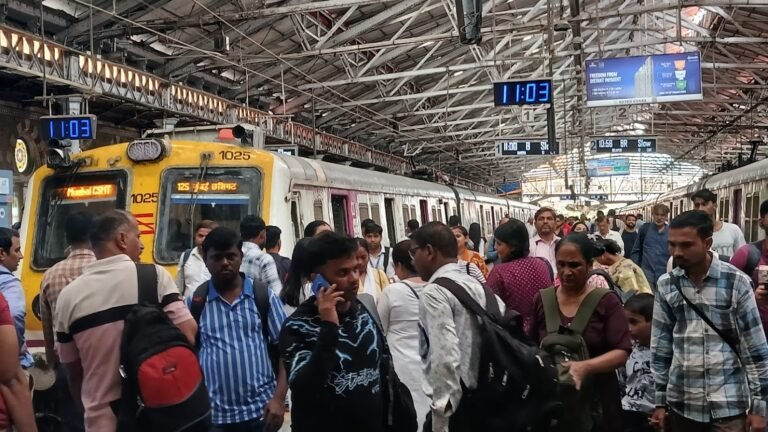
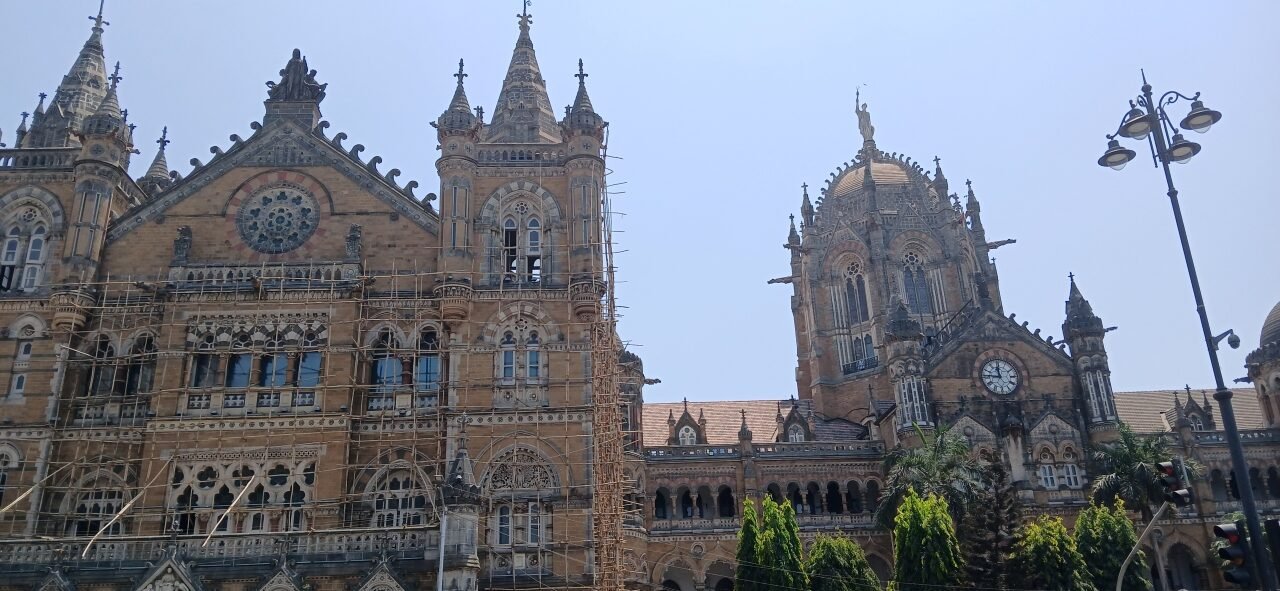
The most recognisable location is Chhatrapati Shivaji Maharaj Terminus, the Victorian Gothic railway station in South Mumbai, where the closing dance sequence was filmed. You can walk through it any day of the week; it is a working station used by millions.
What it got right
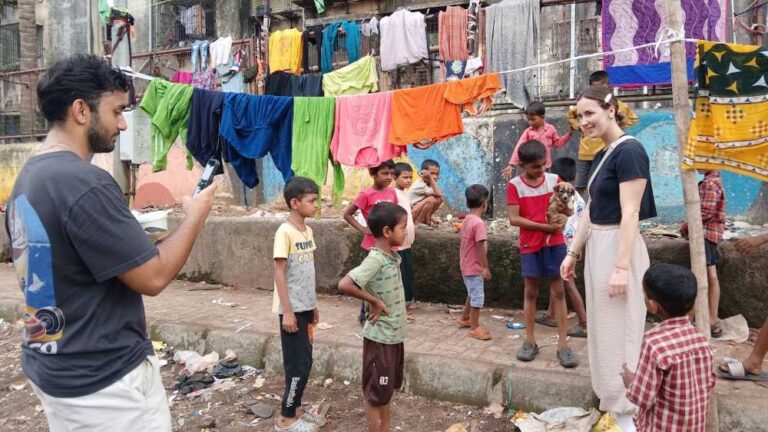
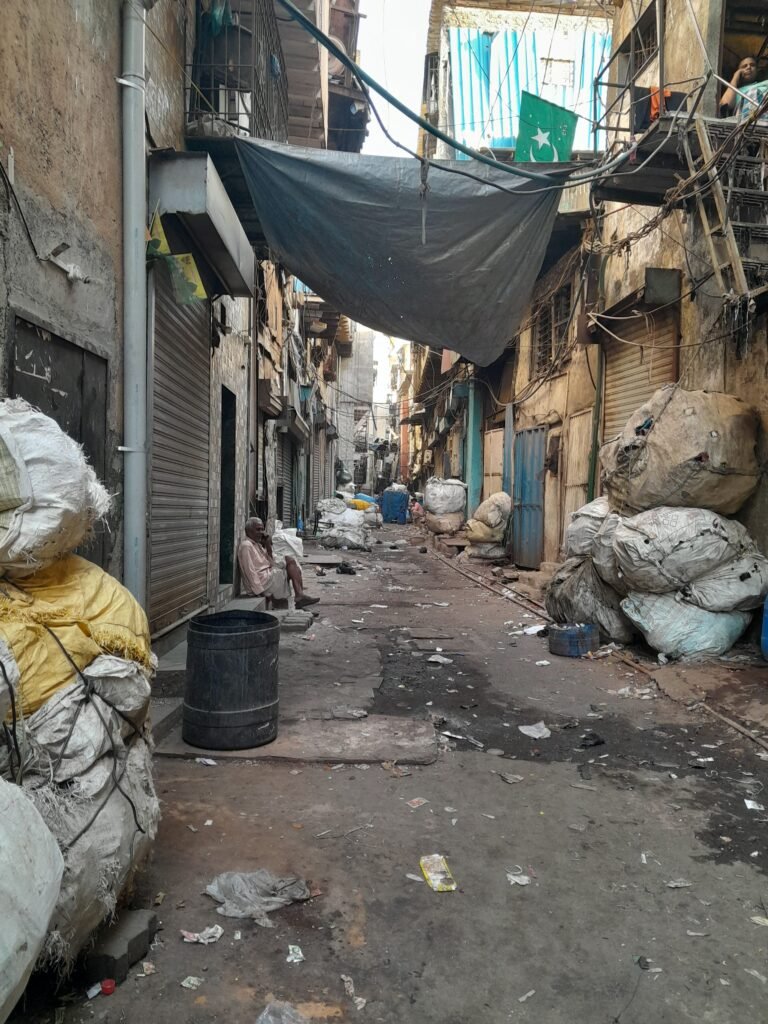
The texture. The density of the lanes, the noise, children moving through a city that was not built for them, the sense of a place improvising constantly. Boyle used real streets and real passers-by, and it shows.
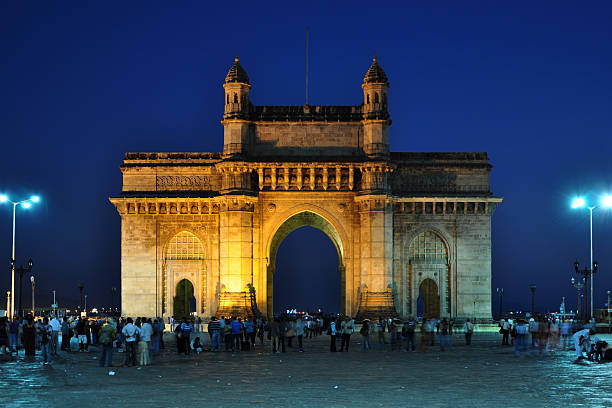
It also got the contrast right: extreme wealth and extreme poverty sharing the same few square kilometres, which is genuinely what Mumbai is like.
What it got wrong
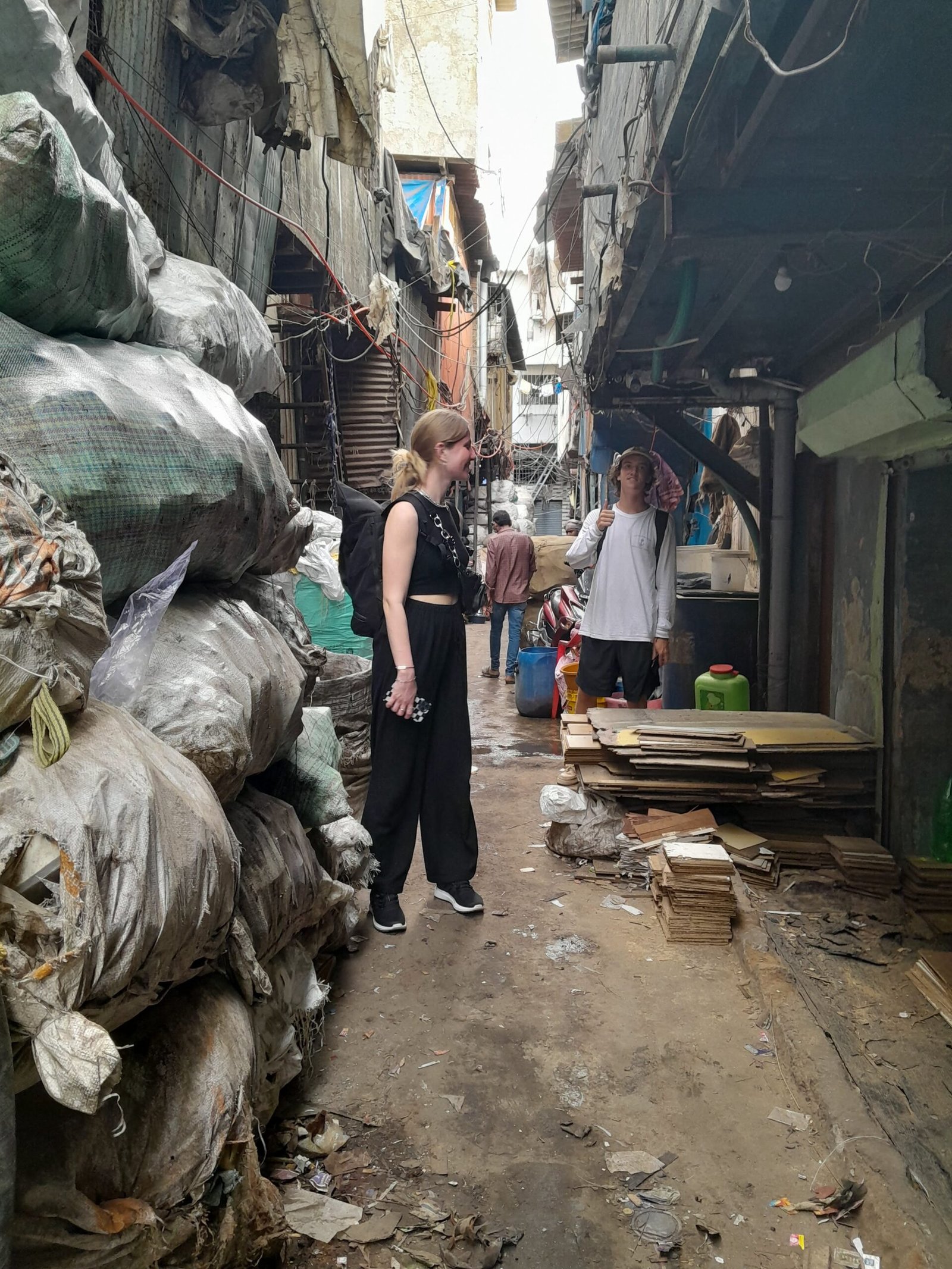
It showed a slum without showing the work. This is the big one. Dharavi is one of the most productive places in the city, with recycling, pottery, leather and garment industries turning over an enormous amount every year. In the film, that is almost entirely absent. You see poverty and danger; you do not see thousands of people running businesses.
The title. “Slumdog” is not a word anyone here uses, and it was not received as affectionate. When the film came out, residents protested with banners reading “I Am Not a Dog” and “Poverty for Sale”. That is worth sitting with before using the word casually.
The proportions. Crime and cruelty are in the film out of all proportion to daily life here. Dharavi has less violent crime than plenty of wealthier parts of Mumbai. We wrote about that in is it safe to visit Dharavi.
The “poverty porn” argument
Critics in India accused the film of selling hardship to Western audiences: framing squalor as spectacle, and inviting sympathy rather than understanding. Boyle disagreed, and plenty of Indians defended the film too. Opinion here has never been unanimous.
Our own view, for what it is worth: the film made Dharavi visible to a lot of people who had never thought about it, and it made them think the wrong thing. Both of those are true at once.
The child actors
The two youngest leads were found in Mumbai settlements rather than drama schools. After the Oscars there was sustained argument about how they had been paid and housed, and the production set up trust funds for their education. It remains one of the most uncomfortable parts of the film’s story, and a fair question about what a production owes the people it borrows a life from.
Why we do not run a “Slumdog” tour
Plenty of operators do. You can book a Slumdog Millionaire tour of Dharavi from several companies, and it sells well.
We do not, for a simple reason: naming a tour after the film means selling the version of this place that the people who live here objected to. Our guides grew up in these lanes. Advertising their home with a word residents protested against is not something we are willing to do for bookings.
We are happy to talk about the film on tour, and we get asked about it constantly. We will point out CSMT, and we will tell you what was shot where. We just will not build the day around it.
What to see instead
If the film is what brought you here, that is genuinely fine. It brought a lot of people, and most of them leave with a better picture than they arrived with.
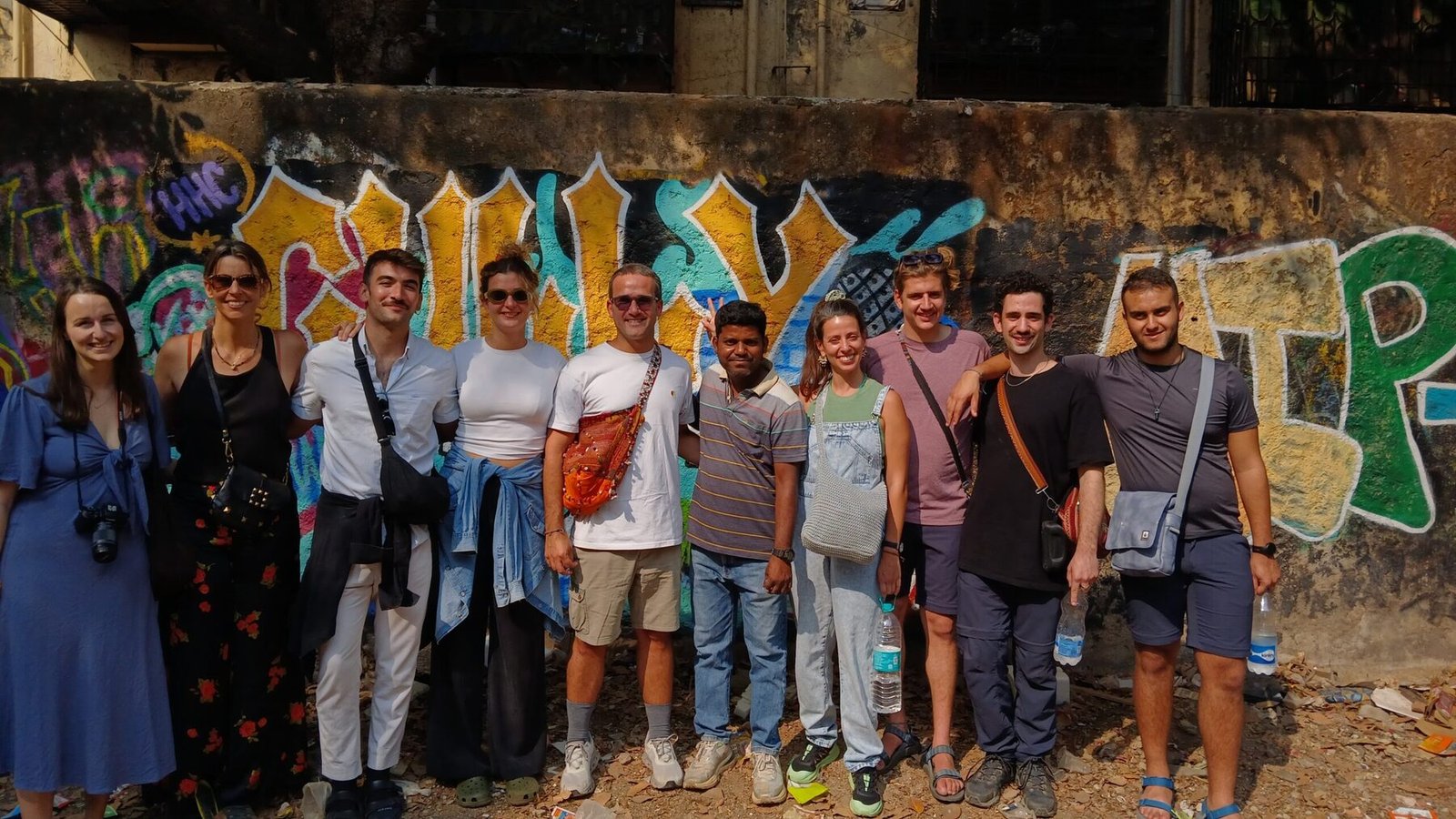
Come and see the recycling district, the potters at Kumbharwada, the garment workshops, and the lanes where a million people live ordinary lives. Our Dharavi tour covers that with a guide who was born here. If you want the background first, there is our complete guide to Dharavi, and if you are weighing up whether to come at all, is Dharavi worth visiting and is slum tourism ethical.
And if it is Indian cinema you are interested in rather than Dharavi, see our guide to Bollywood in Mumbai, including the film that has been showing daily since 1995.
Common questions
Was Slumdog Millionaire filmed in Dharavi? Partly. Other scenes were shot elsewhere in Mumbai, including the Juhu settlement and CSMT station.
Can you visit the Slumdog Millionaire locations? Yes. CSMT is a public railway station, and Dharavi can be visited with a guide.
Is Dharavi really like the film? No. The density is real; the emphasis on crime and the absence of industry are not.
Do people in Dharavi like the film? Opinion is divided. The title in particular was protested when the film was released.
Do you offer a Slumdog Millionaire tour? No, and the article above explains why. We are happy to discuss the film on any of our Dharavi tours.