Mumbai makes more films than anywhere else in India, and India makes more films than anywhere else in the world. Most visitors want to see some of it. The good news is that there are several ways in, and not all of them cost anything.
Here is how to actually experience Bollywood in Mumbai, from people who live with it.
First, a little context
Bollywood is a blend of Bombay and Hollywood. Some people in the industry dislike the word, but it stuck. Hindi cinema began here in 1913 with Raja Harishchandra, a silent film by Dadasaheb Phalke, and more than a century later the studios are still clustered in the city’s northern suburbs.
On any given day, dozens of films and television shows are shooting across Mumbai. The city does not just host the industry. It runs on it.
Watch a film in a Mumbai cinema
This is the one most visitors never think of, and it is the cheapest and most memorable way to experience Bollywood.
Watching a Hindi film with a Mumbai audience is nothing like a cinema at home. People cheer when the hero appears. They whistle at the songs. They talk back to the screen. When a big star makes an entrance, the room reacts like a football crowd. Nobody expects you to understand every line to enjoy it.
You have two choices. Multiplexes in the malls are comfortable and air-conditioned, and some screenings carry English subtitles, though not all, so check before you book. Single-screen cinemas are older, cheaper and far louder, and that is exactly the point.
The film that has been showing since 1995
If you do one thing on this list, make it this.
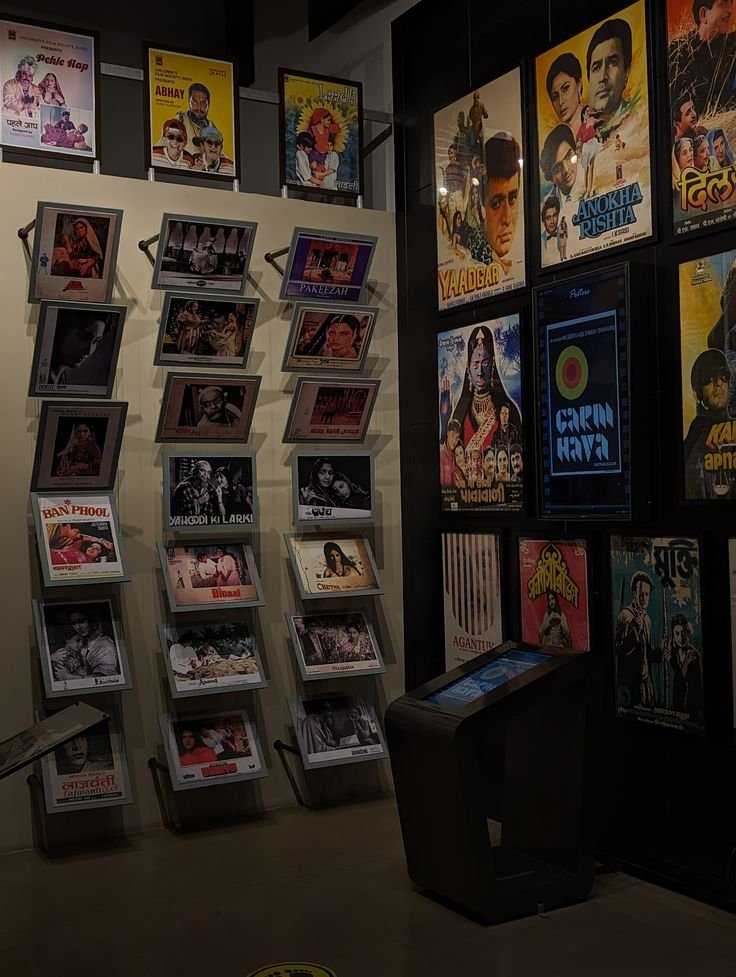
At Maratha Mandir, a single-screen cinema in Byculla, Dilwale Dulhania Le Jayenge has been playing every single day since it was released in October 1995. It is the longest-running film in the history of Indian cinema. Starring Shah Rukh Khan and Kajol, it is the story of two young people from London who fall in love on holiday in Europe, and then have to win over a very strict father.
The morning show still draws people who have seen it dozens of times. Tickets are cheap. The audience knows every line. Going to watch it is less like seeing a film and more like attending a small, long-running ritual, and you will not find anything quite like it anywhere else.
Visit a working studio
The studios are in the northern suburbs, and you cannot simply walk in. You need to go with someone who has access.
What you see depends entirely on what is filming that day, and anyone honest will tell you they cannot promise specifics. On a good day you watch a scene being shot: the lighting rigs, the playback, the dozens of people whose job is one small thing. On a quieter day you see sets, costume departments and dance rehearsals. Both are interesting, just differently.
Why everyone breaks into song
Visitors always ask. The convention comes from Parsi theatre and much older Sanskrit drama, both of which used music to carry emotion rather than pause the plot. A song in a Hindi film usually does real work: it compresses time, or says what a character cannot say out loud.
The actors mime. The voices belong to playback singers, who record the songs separately, and some of them are more famous than the stars.
Can you be a Bollywood extra?
Sometimes, and it is worth being clear-eyed about it. Productions occasionally want foreign faces for a crowd scene, and people do get approached in tourist areas with offers of a day’s work.
If it happens, it can be a great story. It can also mean a very long day, a lot of waiting and not much of what you imagined. Be sensible about who is asking, where you are being taken and how you are getting back, and do not hand over money to anyone promising you a part.
When to go
Weekdays are best for studios, because far fewer productions shoot on Sundays and public holidays. Late morning is when studio activity usually peaks. For the cinema, any day works, and the older single screens are at their liveliest for weekend shows.
Seeing it with us
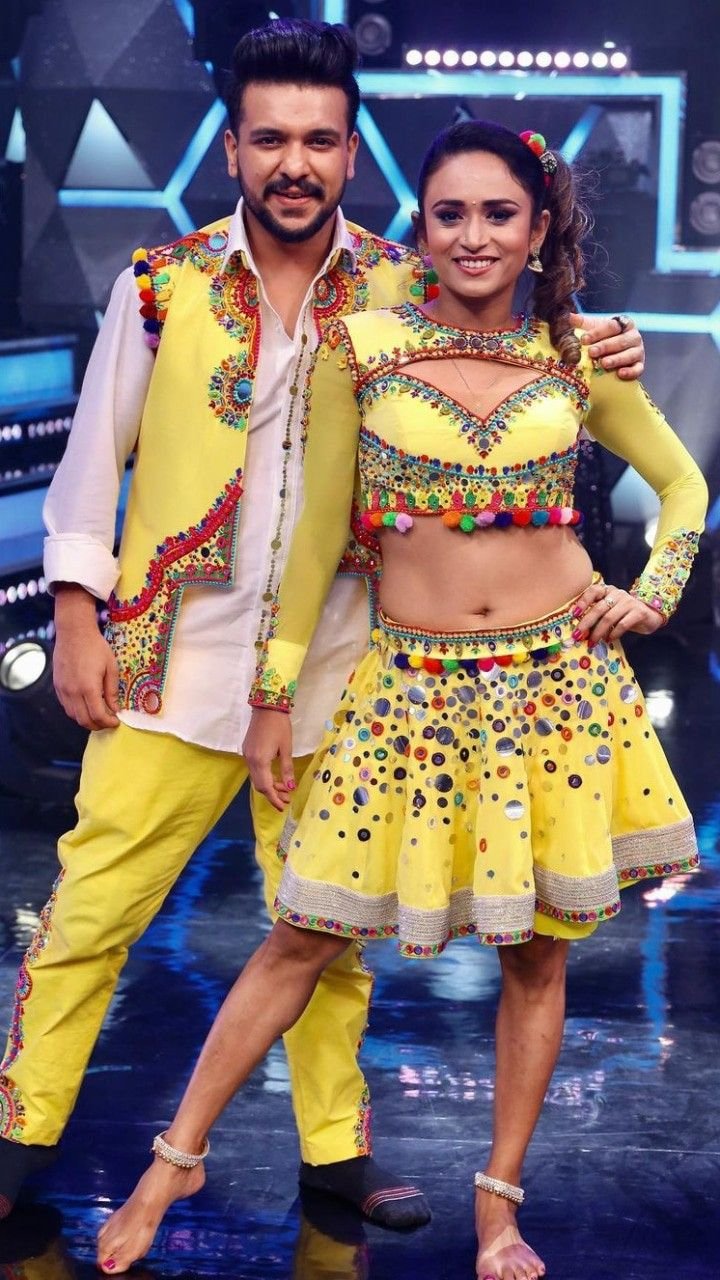
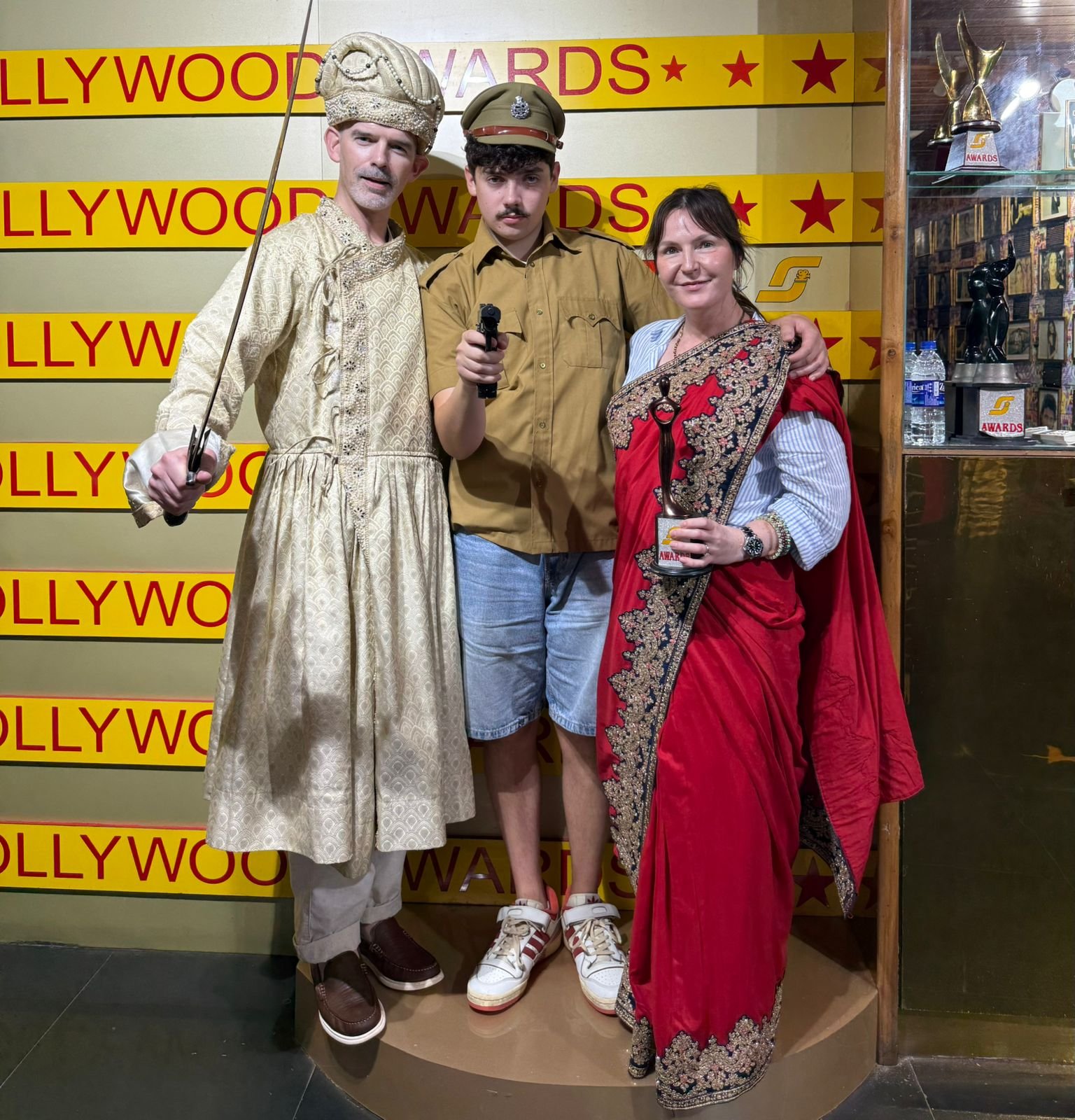
Our Bollywood studio tour takes you inside a working studio with a guide who knows the industry, includes a live dance performance and workshop, and a karaoke session where you record a famous Bollywood song in a professional audio room and take the recording home. Pickup from your hotel, the airport or the cruise terminal is included, because getting to the studios on your own is genuinely difficult.
It pairs well with a morning at Maratha Mandir, or with our Mumbai sightseeing tour if you want the landmarks too.
Common questions
Can I visit a Bollywood studio on my own? Generally no. Studios are working workplaces and you need someone with access.
Will I see a famous actor? Possibly, but nobody can guarantee it. It depends entirely on what is shooting that day.
Do Mumbai cinemas show films with English subtitles? Some multiplex screenings do, but not all. Check the listing before you book.
Is Dilwale Dulhania Le Jayenge still showing at Maratha Mandir? It has been showing daily since October 1995. Check the cinema’s current show time before you go.
What is the best day to visit a studio? A weekday. Fewer productions shoot on Sundays and public holidays.
Making a night of it? Read about things to do in Mumbai at night.