This is the question we are asked more than any other, usually by email, a few days before someone books. The short answer is yes. The longer answer is more useful, and worth reading before you decide.
We are guides who live in Dharavi. Some of us were born here. So take what follows as informed rather than neutral, and judge it on whether it sounds honest.
The short answer
Dharavi is safe for visitors. It is a residential and industrial neighbourhood where roughly a million people live, work, raise children and go about ordinary lives. Violent crime is low. In over a decade of guiding here, we have never had a guest harmed.
What you should expect is not danger but density. Narrow lanes, a lot of noise, strong smells near the recycling and tanning units, and very little personal space. That is uncomfortable for some people. It is not dangerous.
Why does Dharavi have a reputation for being unsafe?
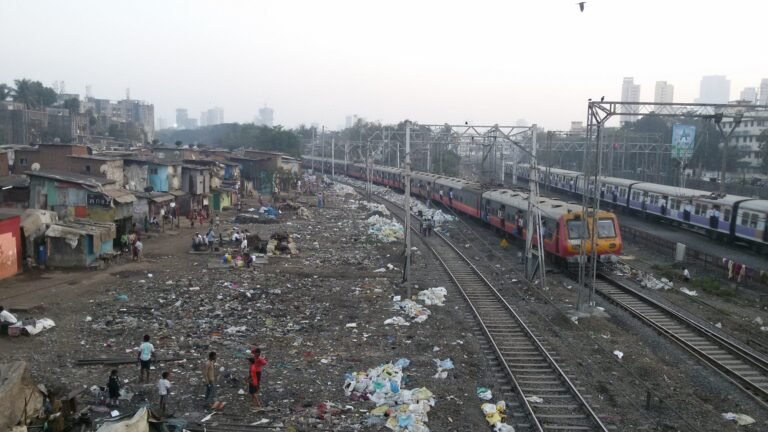
Mostly because of how it has been shown to the world. Slumdog Millionaire gave millions of people their only image of Dharavi, and it was a film about crime and desperation. News coverage tends to appear when something goes wrong. Very little of what gets published shows the ordinary version, which is most of it.
There is also a general assumption that poverty and danger are the same thing. They are not. Dharavi is poor by income and rich in other ways: it has an economy estimated at a billion dollars a year, near-full employment, and social networks that most cities have lost entirely.
What is Dharavi actually like?
It is a working district. Around 15,000 single-room factories operate here. Plastic recycling handles a large share of Mumbai’s waste. There are potteries in Kumbharwada, run by families who came from Gujarat generations ago. Leather workshops that supply brands you would recognise. Bakeries, garment units, embroidery, soap making, aluminium smelting.
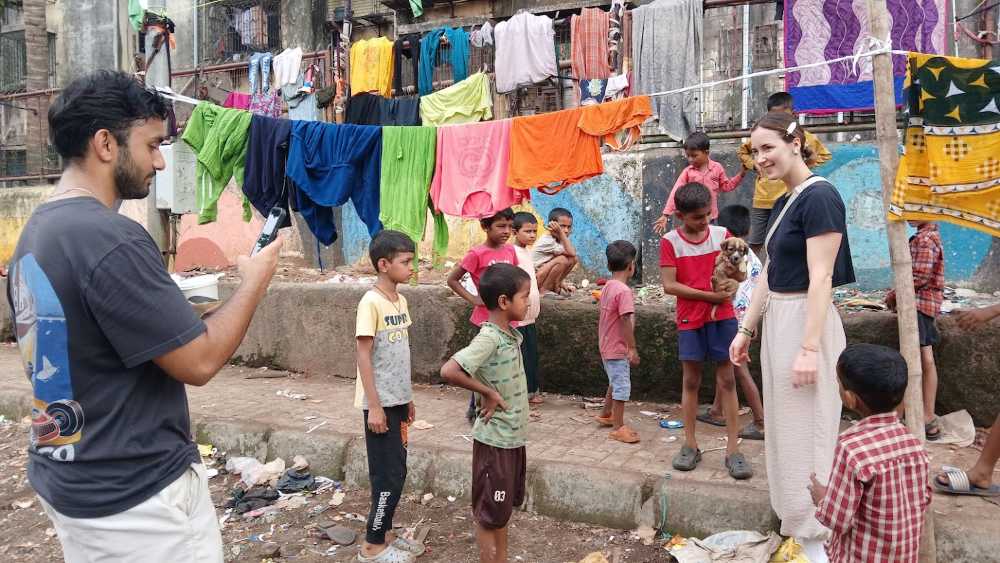
People go to work in the morning and come home in the evening, the same as anywhere. Children go to school in uniform. There are temples, mosques, a gurudwara and a church, sometimes within a few steps of each other, and people live alongside each other without much fuss about it.
Practical safety advice
- Go with a guide from the community. Not because you would be attacked otherwise, but because you would be lost within four minutes and you would understand almost nothing of what you were looking at.
- Wear closed-toe shoes. The ground is uneven and often wet. This is the most practical advice on this page.
- Do not photograph people without asking. This matters more than anything else here. See below.
- Dress modestly. Shoulders and knees covered. It is a residential area, not a beach.
- Keep your bag in front of you in crowded lanes, as you would anywhere busy.
- Do not hand out money or sweets to children. It encourages begging and undermines school attendance. If you want to help, buy something from a business here.
Is it safe for women travelling alone?
Yes, on a guided tour. Dharavi is not a place where women are harassed more than elsewhere in Mumbai, and Mumbai is one of the safer large Indian cities for women. We have women guides on our team, and a large share of our guests are solo women travellers. If that matters to you, ask for a woman guide when you book and we will arrange it where we can.
Is it safe for children and older visitors?
Children are usually fine and often get a warmer welcome than adults. The walk is about two hours at a gentle pace, but the ground is uneven and there are low doorways and narrow stairs in some workshops. If mobility is a concern, tell us before you book and we will tell you honestly whether it will work.
The question behind the question
When people ask whether Dharavi is safe, they often mean something else: is it right for me to go?
That is a fair thing to worry about, and it deserves a straight answer. Poverty tourism is real and some operators do it badly, running visitors through in large groups with cameras out, treating a neighbourhood as a spectacle.
Our view is that a visit is worth doing if it is done properly. That means small groups, guides from the community, no photographs of people without permission, no entering homes uninvited, and money that stays in the area. It means you leave understanding something you did not understand before.
If a tour operator lets you photograph whoever you like and takes you round in a group of twenty, that is the version worth objecting to. Ask any operator how they handle photography before you book. The answer tells you most of what you need to know.
What we ask of visitors
Ask questions. Ask the awkward ones. About redevelopment, about sanitation, about what people here think of visitors coming through. You will get honest answers, and the conversation is the point.
And remember that people live here. That is the whole of it.
Frequently asked
Do I need vaccinations to visit Dharavi?
No more than for the rest of India. Check standard travel advice for the country. There is nothing specific to Dharavi.
Can I take photographs?
Of the workshops, streets and industry, yes. Of people, only if you ask first, and your guide will help you ask. Not inside homes.
Will I be asked for money?
Rarely, and less than in the tourist areas of South Mumbai.
How long is a Dharavi tour?
Ours is two hours on foot. That is enough to see the recycling district, the potteries and the residential lanes without rushing.
What is the best time of day?
Morning, when the workshops are busiest and the light is best. Afternoons are hotter and quieter.
Our Dharavi Slum Tour runs in small groups, led by guides who live here, with a consent-first approach to photography. If you have questions before booking, ask us. We would rather answer honestly than have you arrive unsure.
Still deciding? We also answered the other question people ask: is Dharavi worth visiting.