
Most visitors walk past it. Around the Oval Maidan in south Mumbai, two completely different centuries face each other across a cricket ground, and together they make up a UNESCO World Heritage Site that a lot of people in the city itself could not name.
Here is what it is and how to see it properly.
What was listed, and when
On 30 June 2018, UNESCO inscribed the Victorian Gothic and Art Deco Ensembles of Mumbai as a World Heritage Site, at the 42nd session of the World Heritage Committee in Manama, Bahrain. It became India’s 37th World Heritage Site.
The listing covers 94 buildings across about 66 hectares, in two connected precincts: the Victorian Gothic public buildings of the Fort area around the Oval Maidan, and the Art Deco apartment blocks and cinemas running west towards Marine Drive.
What makes it unusual is not either style on its own, but the two sitting directly opposite one another. Stand in the middle of the Oval Maidan and you have 19th-century Gothic on one side and 1930s Deco on the other.
The Victorian Gothic side
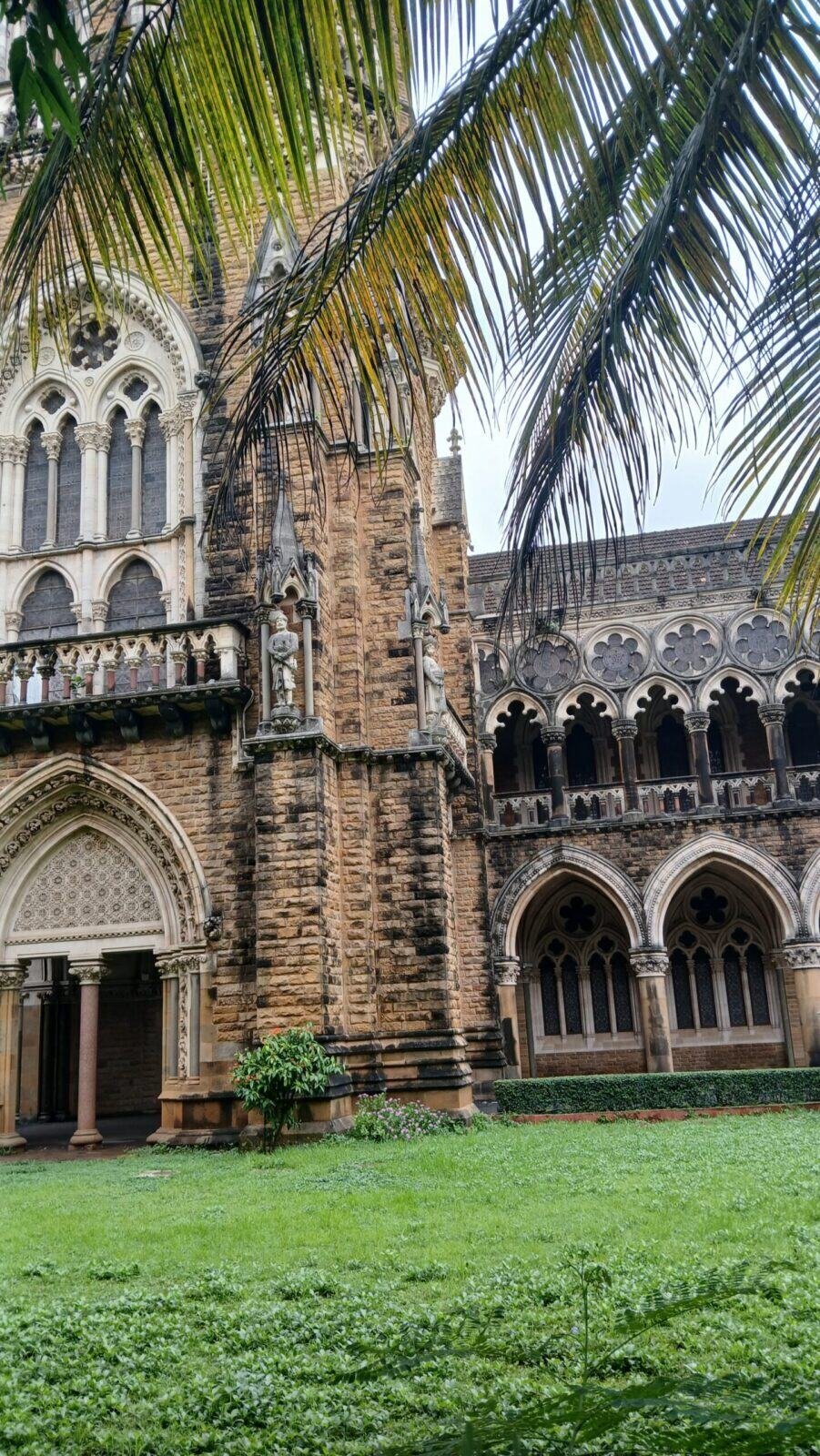
These went up as Bombay grew rich on trade in the second half of the 19th century, and they were built to look like it. Pointed arches, spires, carved stone, and a slightly surprising amount of Indian detail worked into a European style.
The main ones to look for:
Bombay High Court — still a working court, severe and enormous.
University of Mumbai — the Convocation Hall of 1874 and the Library of 1878, both designed by Sir George Gilbert Scott, who, remarkably, never visited India and designed them from England.
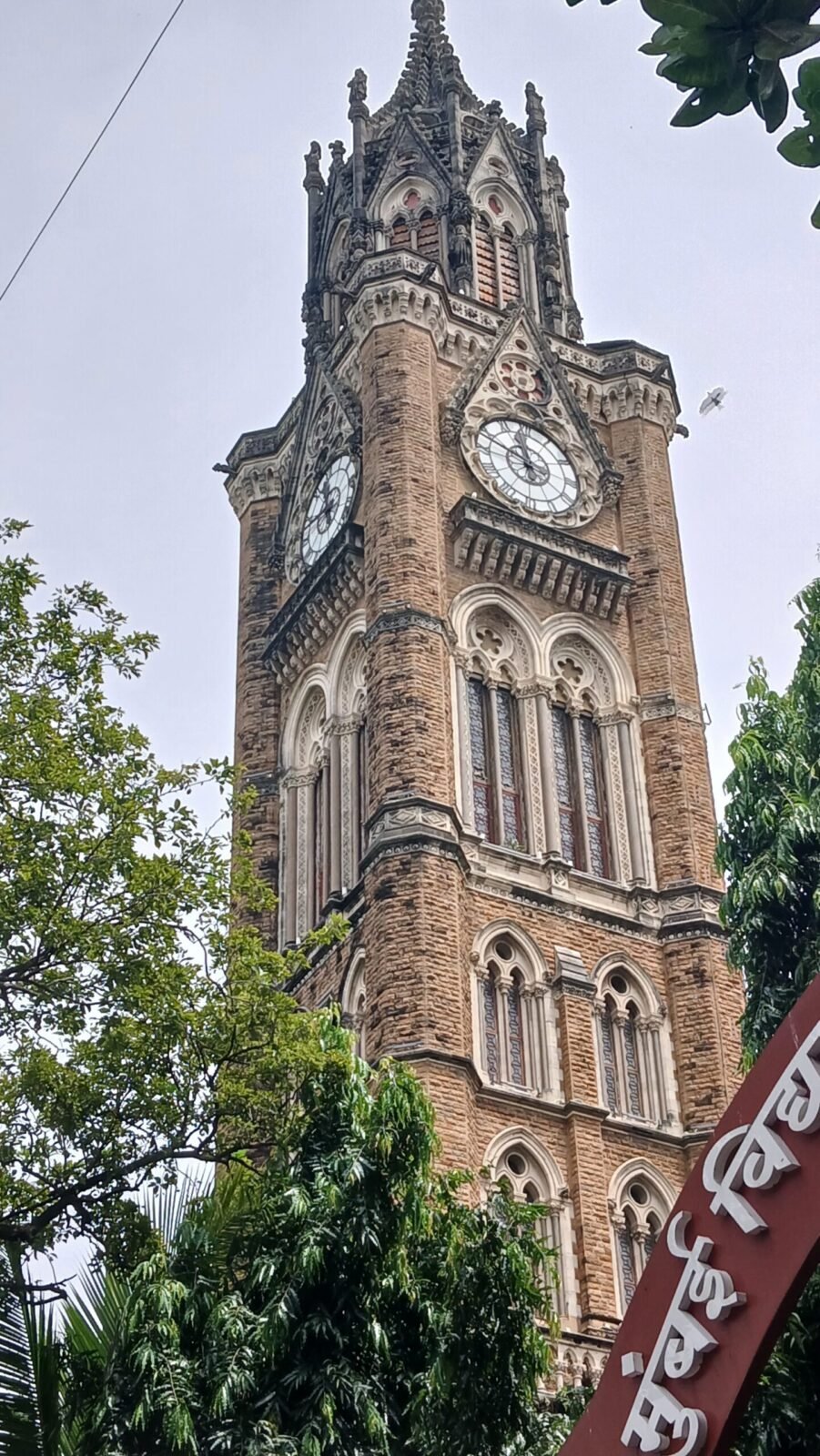
Rajabai Clock Tower — attached to the library, modelled loosely on Big Ben, and the landmark of the whole precinct.
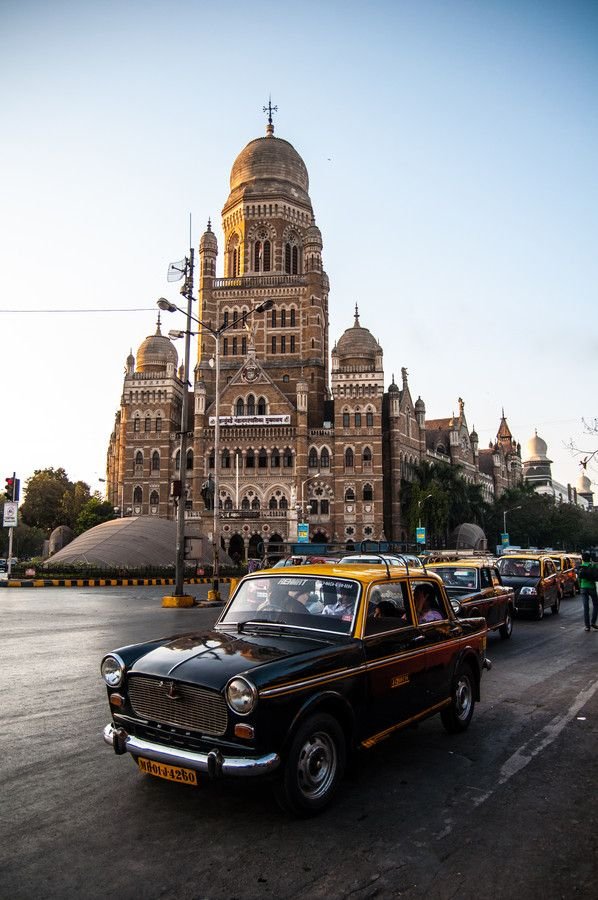
City Civil and Sessions Court, and nearby Chhatrapati Shivaji Maharaj Terminus, which is a World Heritage Site in its own right.
Chhatrapati Shivaji Maharaj Vastu Sangrahalaya, formerly the Prince of Wales Museum.
The Art Deco side
Sixty years later, a newly confident Indian middle class built the other half. From the 1930s, Art Deco apartment blocks and cinemas went up along the western edge of the Oval and down Marine Drive: curved corners, horizontal lines, sunburst motifs, pastel paint, and names like Empress Court carved above the door.
The BBC has reported that Mumbai has at least 200 Art Deco buildings, and the city holds one of the largest collections anywhere in the world. Most are still lived in, which is part of the charm and the problem: they are homes, not monuments, and they are ageing.
Look up as you walk Marine Drive. The buildings you are passing are the listed ones.
The best way to see it
Walk the Oval Maidan in a loop. Start at the Bombay High Court end, walk down the Gothic side, cross at the bottom, and come back up the Deco side. It takes about an hour at a slow pace and the contrast is the whole point.
Go in the morning, before the heat, when the light is on the eastern buildings and there are usually cricket matches on the maidan. Late afternoon works too, and the buildings are floodlit after dark — see things to do in Mumbai at night.
Weekdays if you want to see the courts and university in use. Note that most are working buildings, not museums: you can admire the exteriors freely, but you cannot wander into a courtroom.
Practical notes
Getting there: Churchgate station on the Western line puts you at the Oval; CSMT on the Central line puts you at the other end of the Fort district. Both are easy on the local trains.
Cost: nothing. It is a public space and a set of streets.
Photography: fine from outside. Some buildings, including the High Court, restrict photography of entrances and security areas, so take the cue from signs.
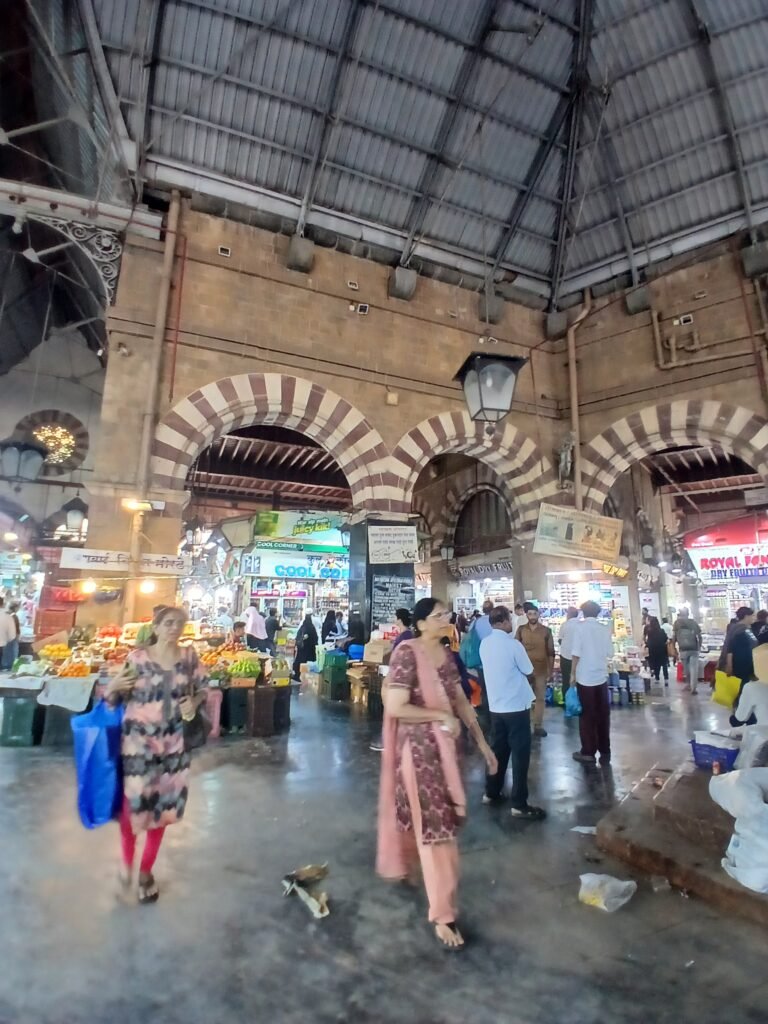
Combine it with: Crawford Market and the bazaars are a short walk north, covered in our guide to Mumbai markets.
Walking it with a guide
You can do this alone and it is free. What a guide adds is the reading: which detail is Gothic and which is Indian, why a Scottish architect’s drawings ended up here, what the Deco builders were reacting against, and which buildings are quietly falling apart behind the paint.
Our South Mumbai heritage walk covers the Fort district, the High Court, Flora Fountain, Horniman Circle and CSMT with a local guide, from ₹1,000. If you want the heritage buildings alongside the rest of the city, our Mumbai sightseeing tour takes them in by car.
Common questions
Is the Oval Maidan precinct a UNESCO site? Yes. The Victorian Gothic and Art Deco Ensembles of Mumbai were inscribed in June 2018.
How many buildings are included? 94, across roughly 66 hectares in two precincts.
Can you go inside? Most are working buildings. Exteriors are free to see; interiors are generally restricted.
How long does the walk take? About an hour for the Oval loop, two to three hours for the wider Fort district.
Is there an entry fee? No.