People ask me this all the time, usually a little carefully, as if they are worried the question itself is rude: is a slum tour actually a thing? Should I be doing this?
I am Balaji. I am 37, I was born in Dharavi, and I have been walking visitors through it since 2012. Here is my honest answer, including the parts that are not comfortable.
How I ended up doing this
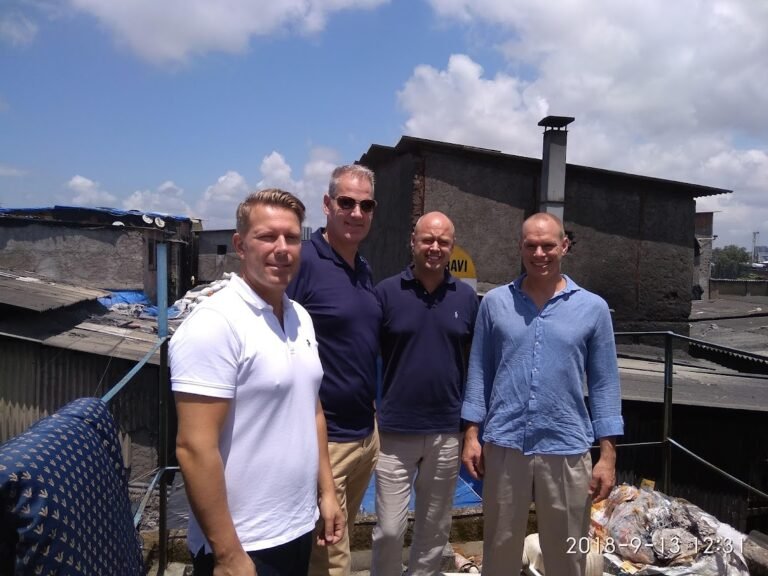
In 2012 I saw a group of foreigners walking around my neighbourhood, looking at everything. I had no idea who they were or what they were doing. I followed them out of pure curiosity. That walk ended in an office, where someone explained to me that this had a name: slum tourism.
I asked if I could join. Not because I had a plan. I had no idea what my future looked like. I just liked talking to new people. My English was broken then. But I had the one thing you cannot teach: I knew every lane. This was before Google Maps meant anything here, before the internet was in everyone’s pocket. I used to watch travellers wander in holding a guidebook, trying to find their own way through streets I had run through as a child.
That was thirteen years ago. I have spent all of them showing people the place I was born.
What Dharavi was when I was a child
I want to tell you both halves of this, because people usually only hear one.
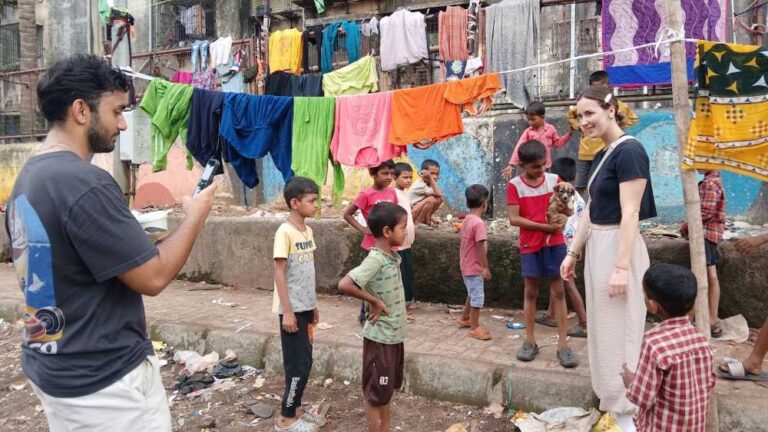
The first half is that it was fun. We played cricket, hide and seek, running through lanes narrow enough to touch both walls. One neighbour owned a television and a refrigerator, the only one, and at seven in the evening a crowd of us would gather at his place to watch the show. Cold water was a luxury. So was meat, packet snacks, anything fried. You remember those days as a child not as poverty but as ordinary life, with your friends in it.
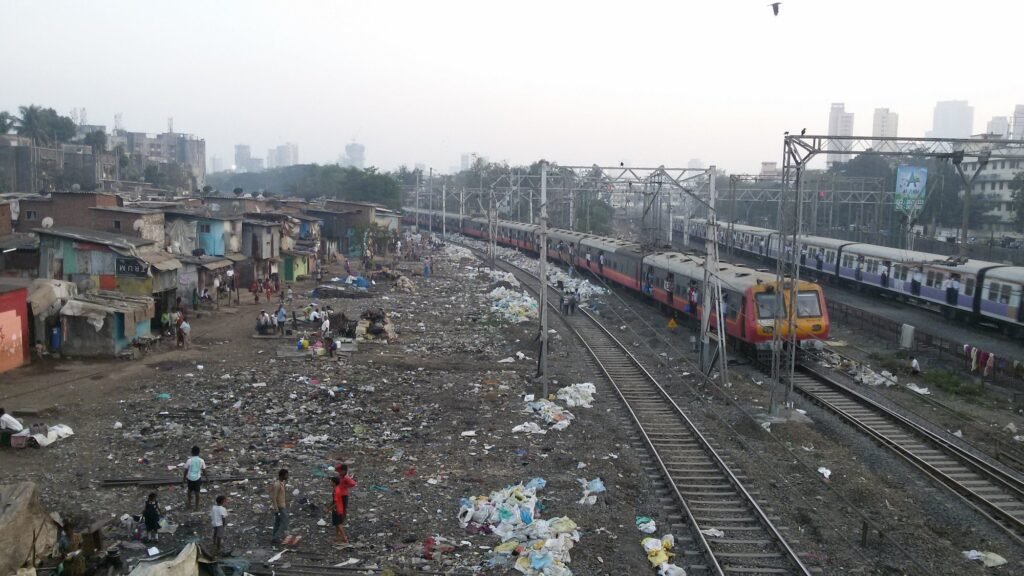
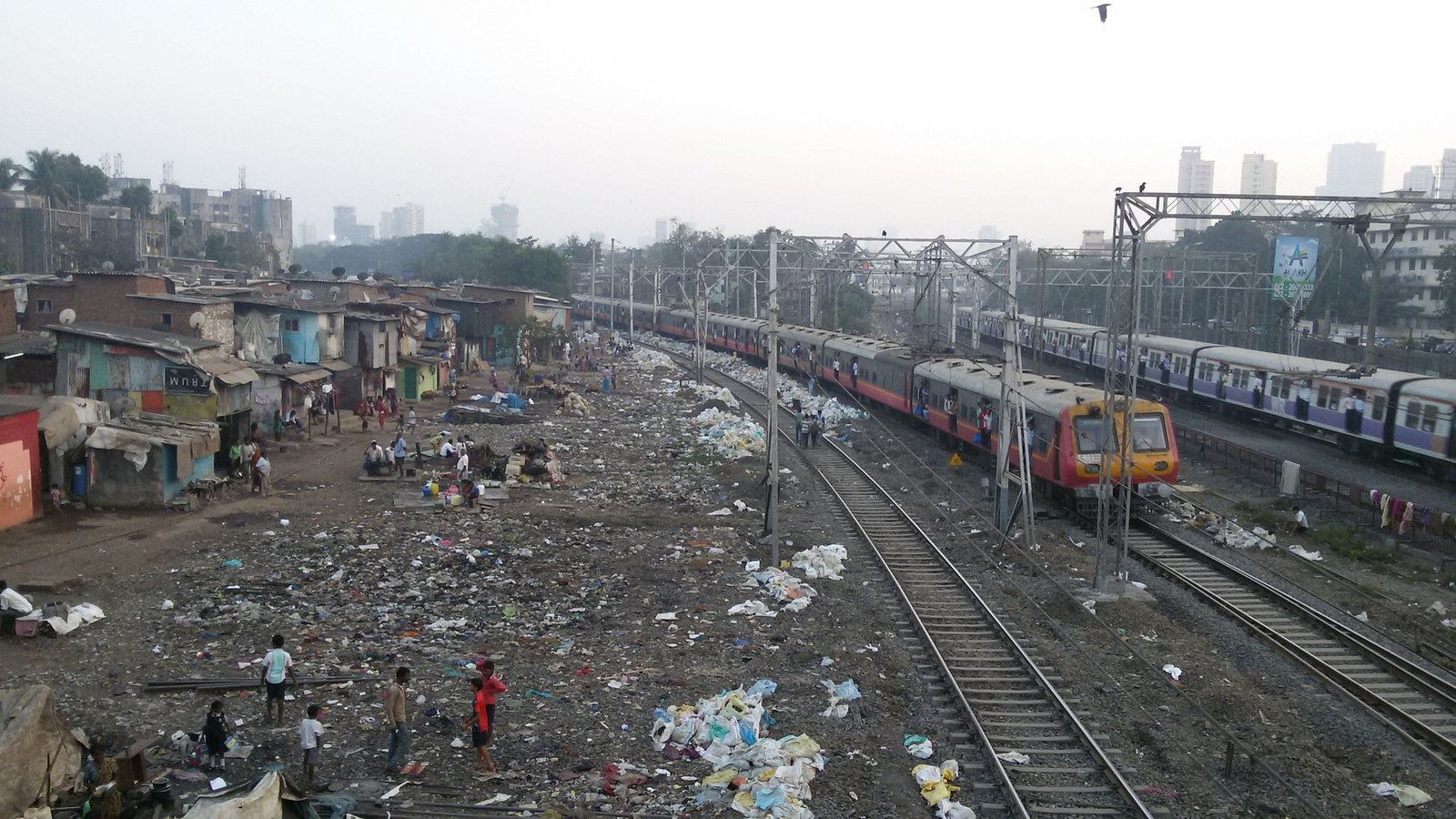
The other half is harder. My house was close to the railway line, so close that we played cricket in the middle of the tracks. The bushes along the line were where people went to the toilet, because there was nowhere else. And there were accidents on those tracks constantly. Collecting what was left of someone was not a rare event. It happened, and then the day continued.
There were no proper toilets. The toilet was an open dump. Women would go before sunrise or after dark, because that was the only way to have any privacy, and it was not safe. Disease was normal. Crime, violence, hunger, unemployment: all normal. As a child you do not know that this is unusual. It is just where you live.
What has actually changed since 2012
A lot, and I do not think people outside Dharavi know this.
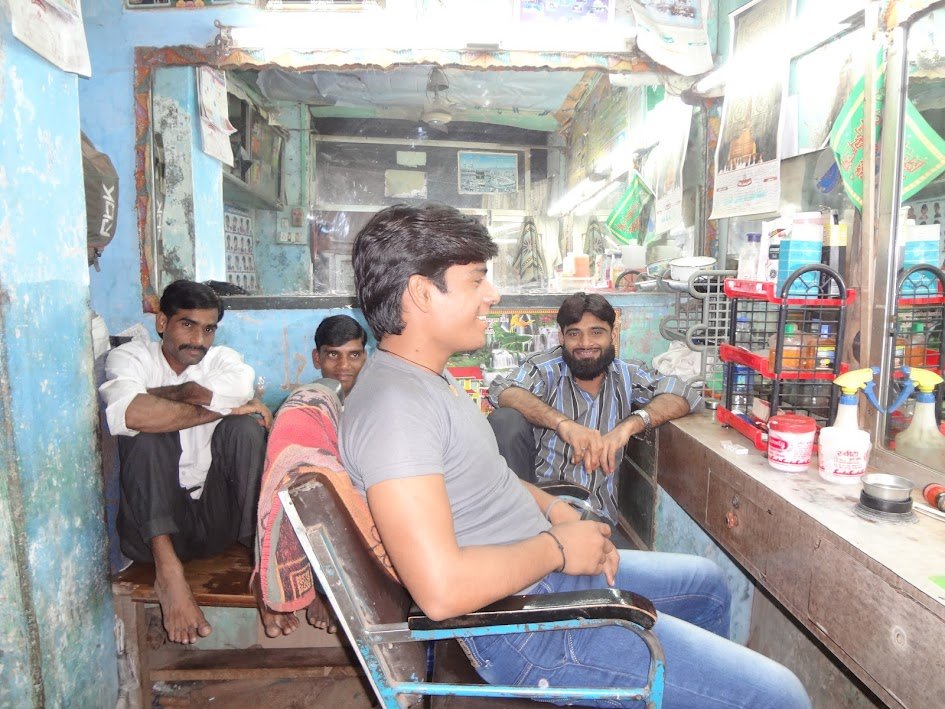
The crime and the violence have dropped enormously. Hunger and unemployment are nothing like they were. The diseases that were routine when I was small are now unusual. The biggest change is education: this third generation is going to school and finishing it, and you can see the difference that makes in one lifetime.
We have toilets now instead of the railway bushes. That is a real change, and I do not want to be dismissive about it.
What has not changed
But I am not going to tell you it is solved.
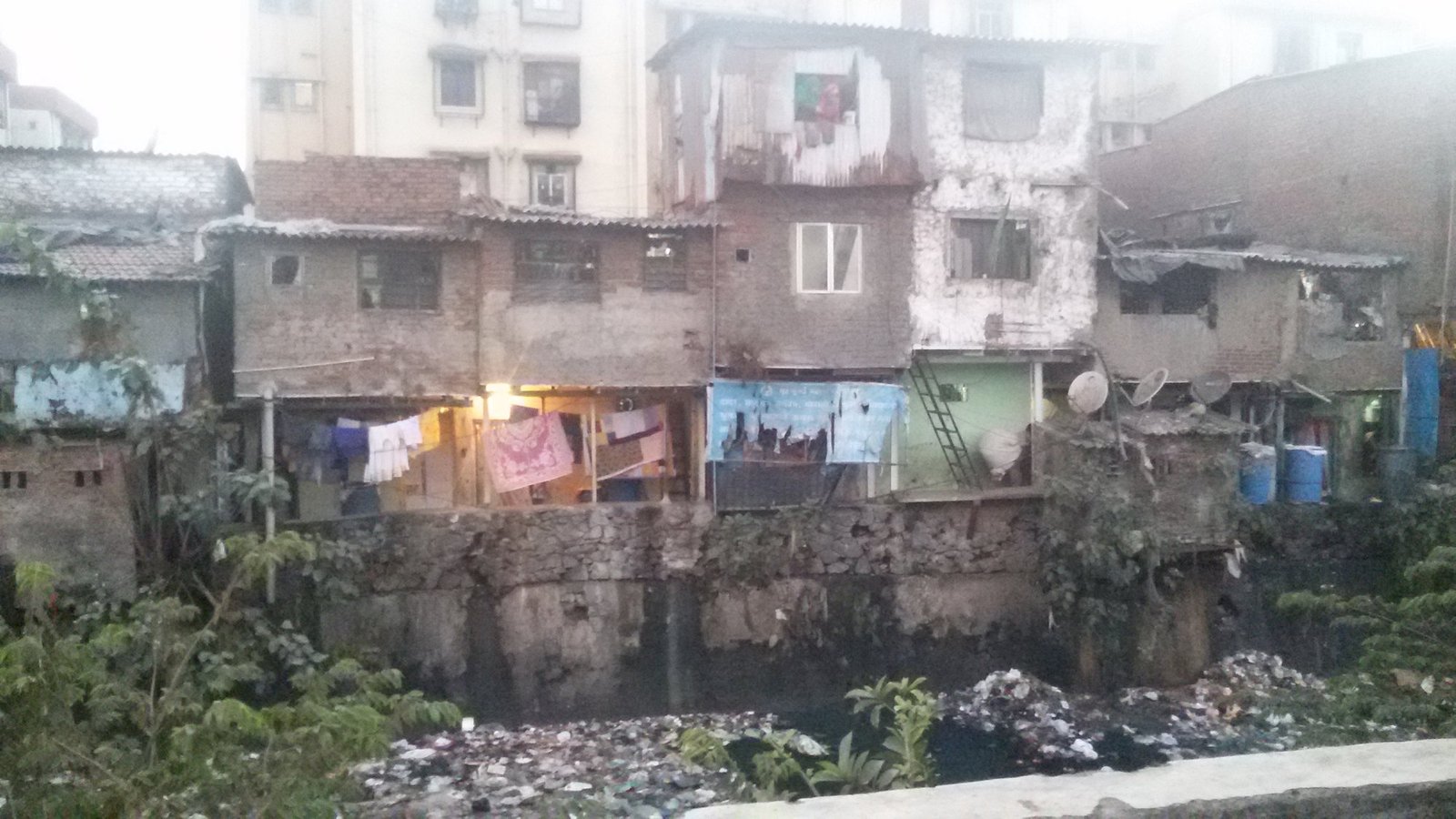
Many families still live in under a hundred square feet. Not a hundred square feet per person, a hundred square feet. The sewage is still open, running along the lanes you will walk down. And those toilets I mentioned are shared, at least a hundred people to one toilet in a day. You queue. It might be two minutes, it might be ten, you never know which. That is every morning, for your whole life.
If a tour tells you Dharavi is simply an inspiring story of enterprise, they are showing you half of it. The enterprise is real. So is the sewage.
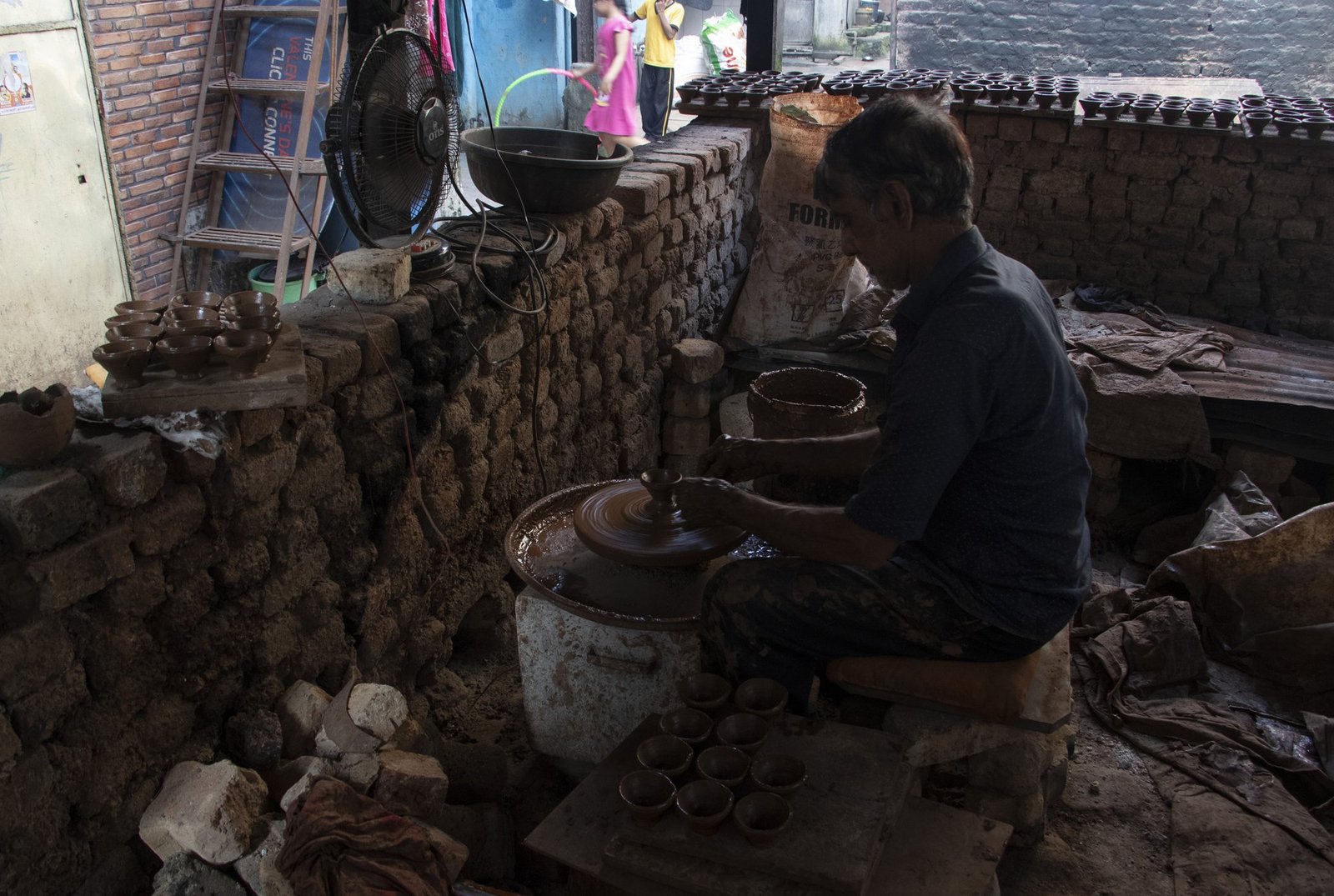
And now everything is about to change again
The Dharavi Redevelopment Project is under way. Residents who qualify are to be given a free flat of around 350 square feet. At Mumbai property prices that is worth something close to a crore, given to people who have lived in a hut for three generations.
People here make the joke themselves: this is the real Slumdog Millionaire story. I remember when they filmed that movie here, and I remember what the world decided about us afterwards.
I am hopeful. I am also not going to pretend it is simple. Qualifying depends on documentation and cut-off dates, and not everyone will. Some businesses only work because they are exactly where they are. Opinion inside Dharavi is genuinely split, and often the same person feels both things at once. I have written about the redevelopment in more detail in our complete guide to Dharavi.
So is a slum tour ethical?
It depends entirely on how it is done, and I say that as someone whose home it is.
If people come to look at poverty, take photographs of strangers’ houses and leave, that is not ethical and I would not defend it. If a tour treats the people who live here as something to be viewed, that is not ethical either.
But the alternative is not neutral. If nobody ever comes, nothing changes about what the world thinks Dharavi is. The picture stays the one from the film. Almost every visitor I have walked through here arrives expecting misery and leaves talking about work, about how much is being made in these lanes, about people they spoke to. That shift is worth something, and it does not happen from reading an article.
So we do it a particular way. We ask before any photograph, and we do not photograph inside homes. We keep groups small, because fifteen people in a narrow lane is a procession, not a visit. Our guides are from here. We buy from the workshops and stalls we bring you to. And we answer the difficult questions honestly, including the ones in this article.
Who should not come
If you want photographs of poor people, please do not book with us. If you want a two hour experience that will make you feel better about yourself, this is not that either.
And if you are not comfortable walking past open sewage, through lanes where you will be very close to people going about their day, in heat, then it is completely reasonable to decide this is not for you. I would rather you skipped it than came and spent the whole time wishing you had not.
What I would want you to leave with
That Dharavi is not a story about poverty. It is a place where a million people work, argue, cook, go to school, run businesses, and know their neighbours. Some of it is very hard. Some of it is better than it has ever been. Both are true on the same street.
If you want to see it with someone who grew up here, that is our Dharavi slum tour. If you are still unsure about safety, we answered that honestly too: is it safe to visit Dharavi?
Common questions
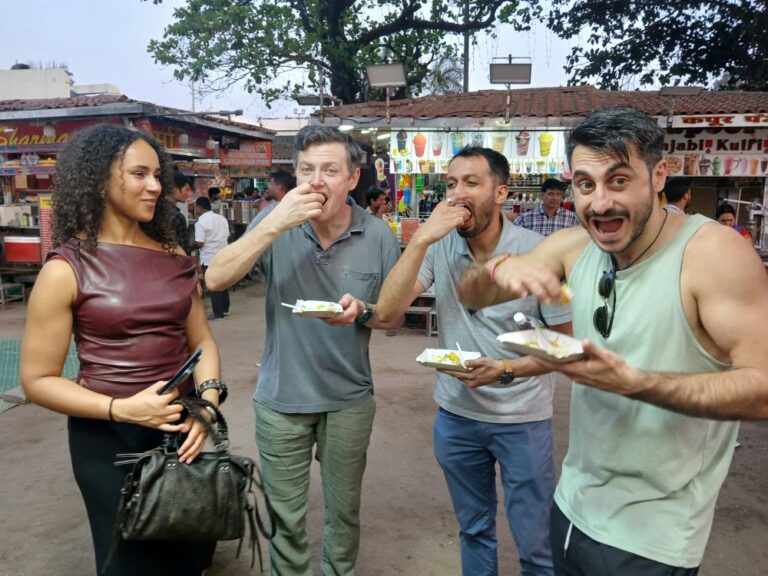
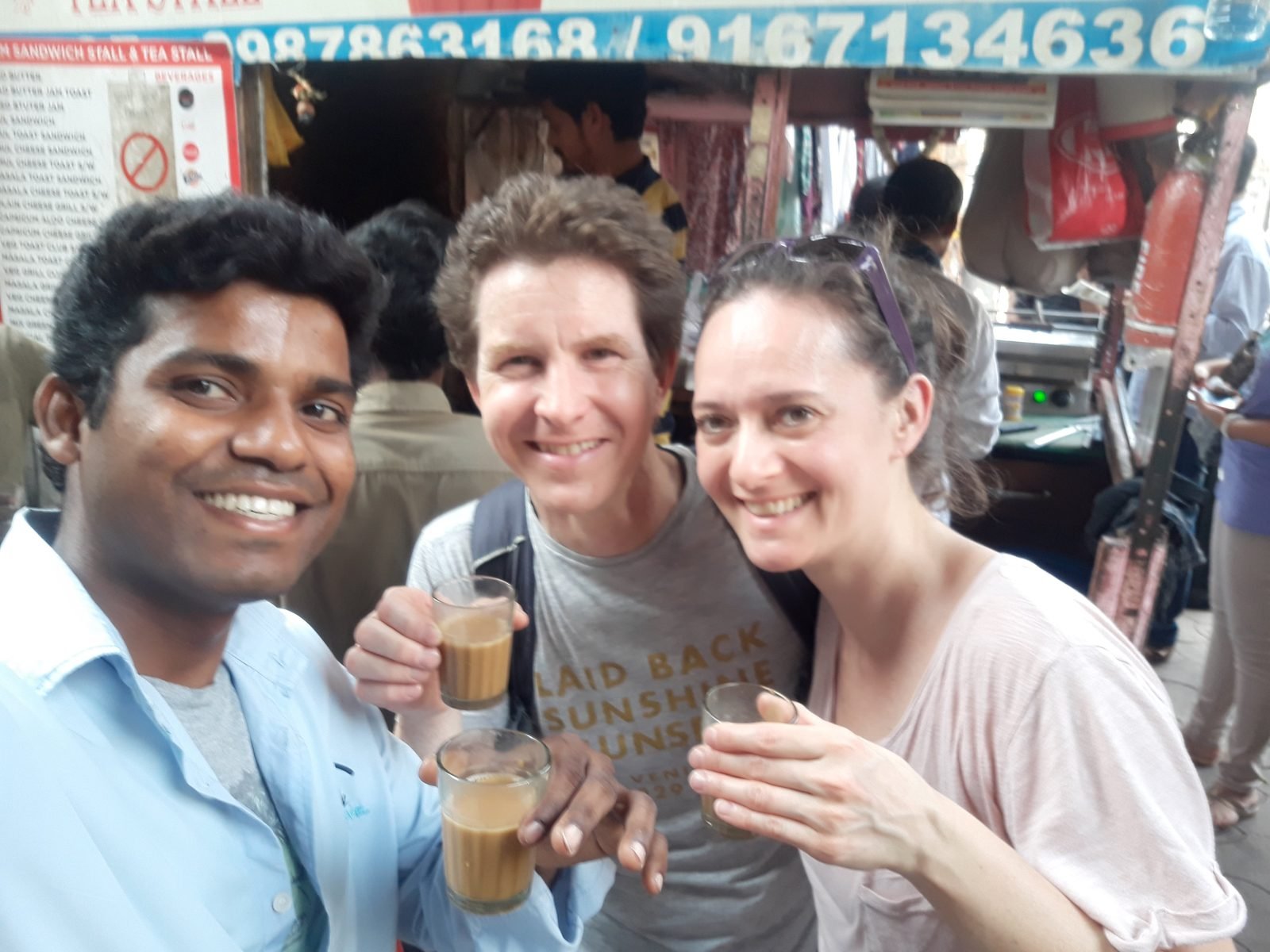
Is a Mumbai slum tour safe? Yes. Dharavi has less violent crime than plenty of wealthier parts of the city. You are far more likely to be offered tea than troubled.
Can I take photographs? Ask first, every time, and accept no as an answer. We do not photograph inside homes at all.
How long is the tour? Around two to three hours on foot, covering the industrial areas and the residential lanes.
Does the money reach the community? Our guides are from here and paid properly, and we buy from the businesses on the route.
Can I visit Dharavi on my own? You can walk in, but you will see very little and understand less. A local guide is the difference between looking and understanding.
Written by Balaji, born in Dharavi and guiding visitors through it since 2012.