
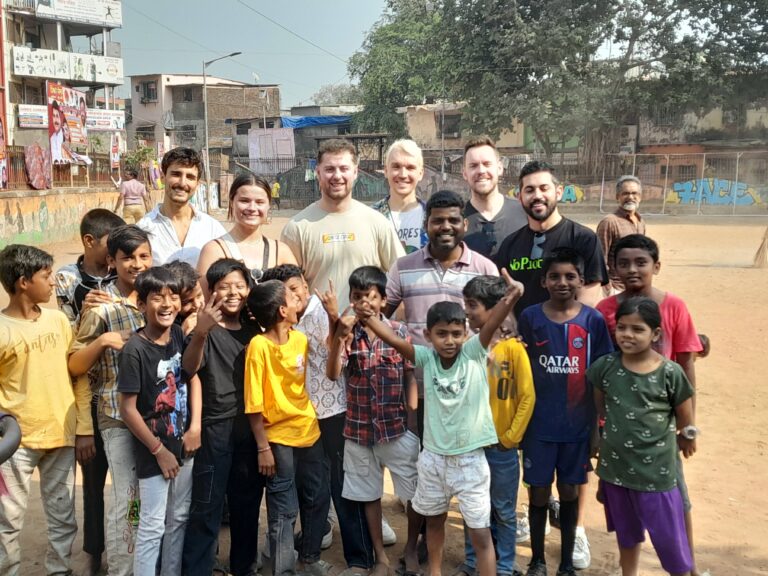
Dharavi Slum Tour
Walk the lanes of Asia's largest informal economy with a guide who grew up here.
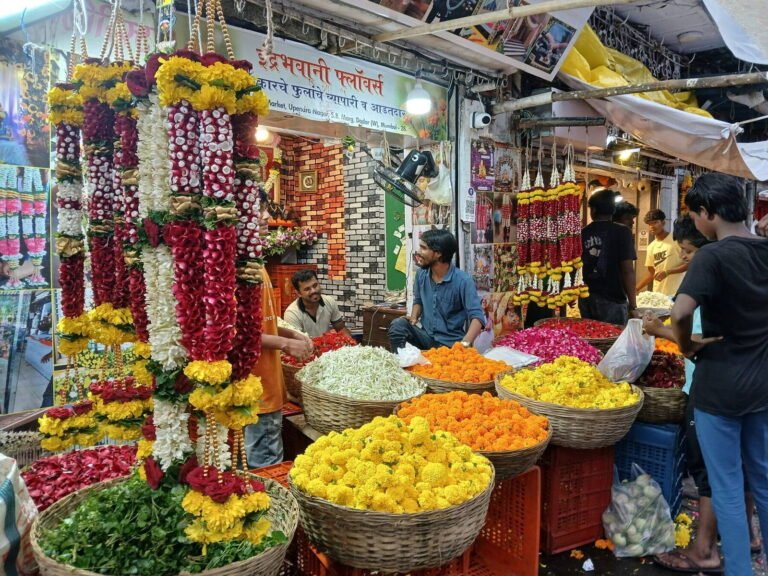
Dharavi is home to around a million people and produces an estimated one billion dollars of goods a year. It is not a place of despair. It is one of the most productive square miles in India, and almost none of it is visible from the main road.
Our Mumbai slum tours are led by guides who were born in these lanes and still live in them. You will not be walked past people as a spectacle. You will be shown recycling workshops, leather units and pottery kilns by someone who can name the families who run them.
Three options, depending on how much time you have and whether you want to combine Dharavi with the wider city.

Walk the lanes of Asia's largest informal economy with a guide who grew up here.

Dharavi, the open-air Dhobi Ghat laundry, and a fragrant flower market, connected by a local train ride.
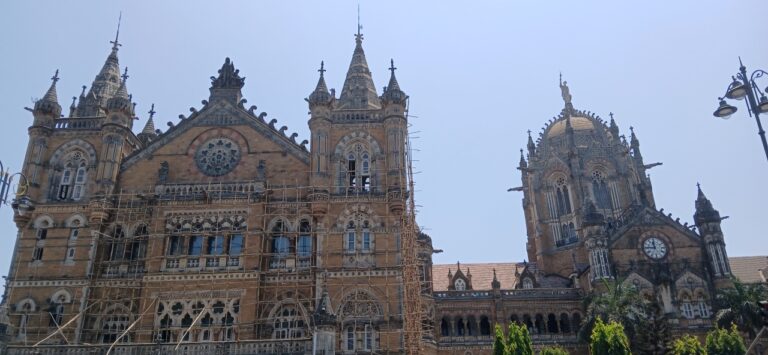
One day, both sides of Mumbai: Dharavi's industry in the morning, the city's landmarks in the afternoon.
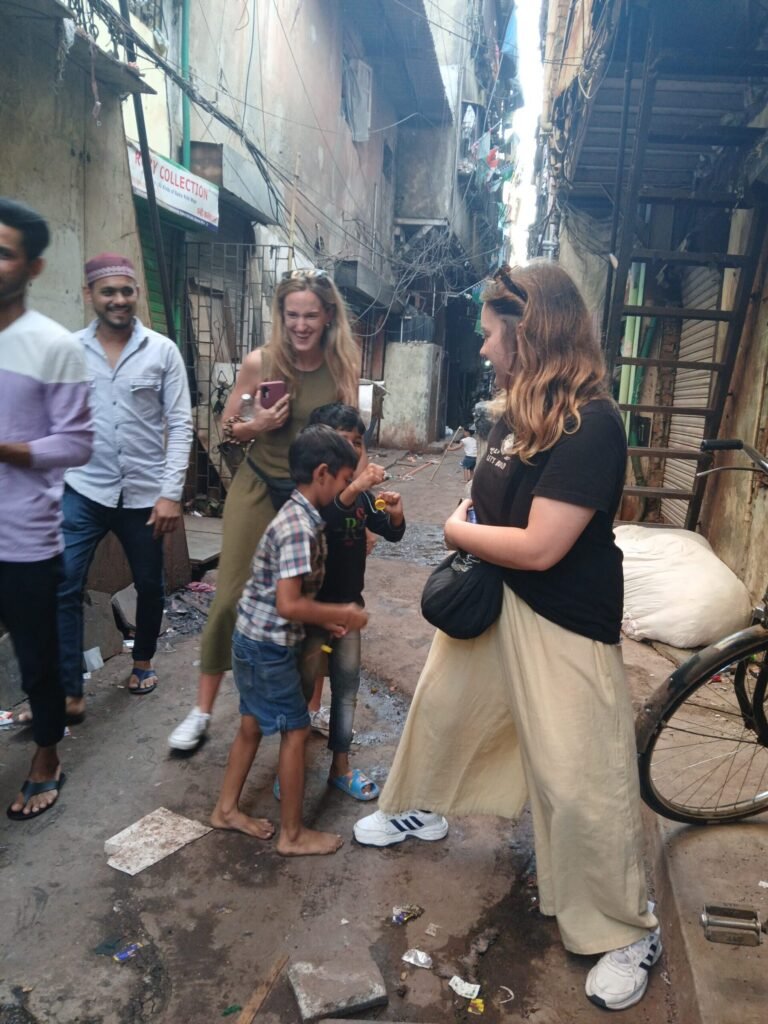
Sit down to a home-cooked meal with a family in Dharavi. Cook alongside them or just eat and talk. Six…
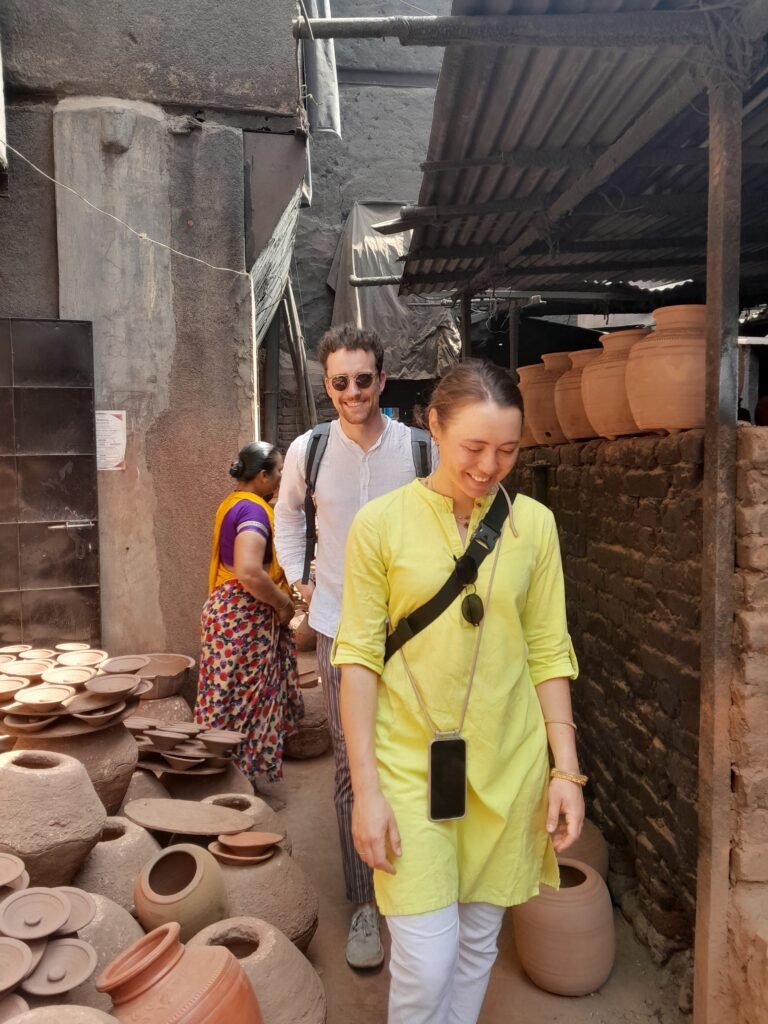
Walk Dharavi, throw a pot with a Kumbharwada potter, then eat a home-cooked meal with a family. Five hours, six…
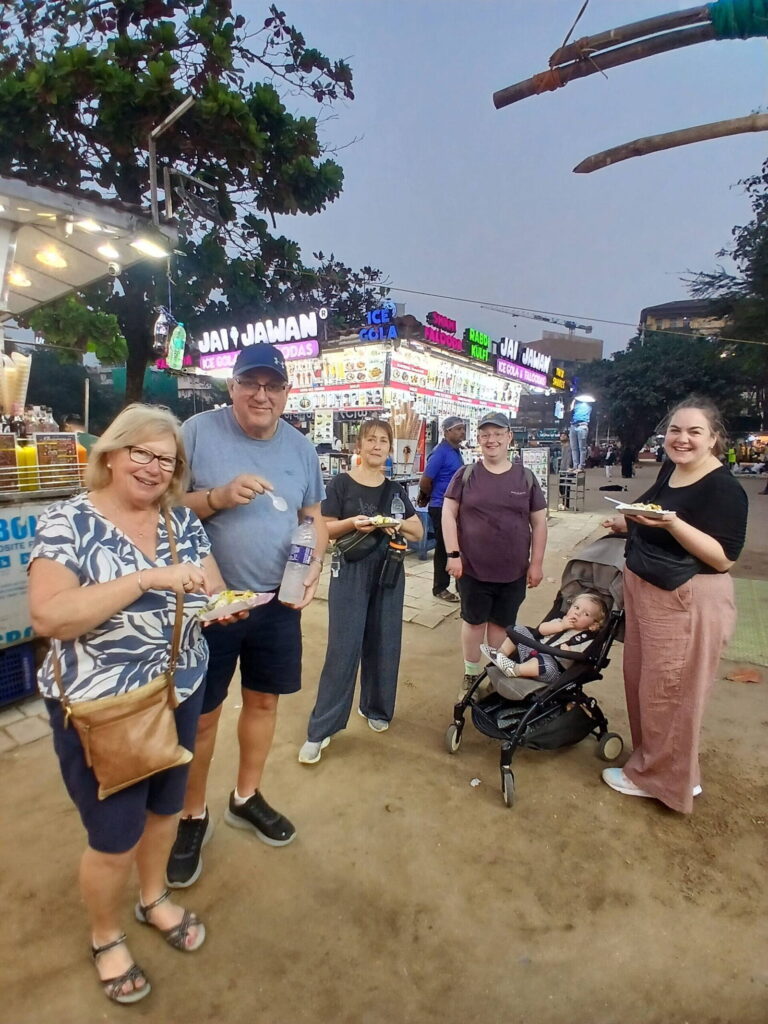
Our two most-booked tours in one day: Dharavi in the morning, Mumbai street food in the evening.
It is a fair question, and one we would rather answer directly than avoid.
The criticism of slum tourism is that it turns poverty into a spectacle and takes money out of the community. We built this company specifically against that. Every guide is a Dharavi resident. Photography inside homes and workplaces is not permitted without explicit consent. We do not enter private homes uninvited. Guests are encouraged to buy directly from the artisans they meet.
Visitors regularly tell us the tour changed their assumptions rather than confirming them. That is the point. If a tour leaves you feeling like a tourist looking at poverty, it has failed.